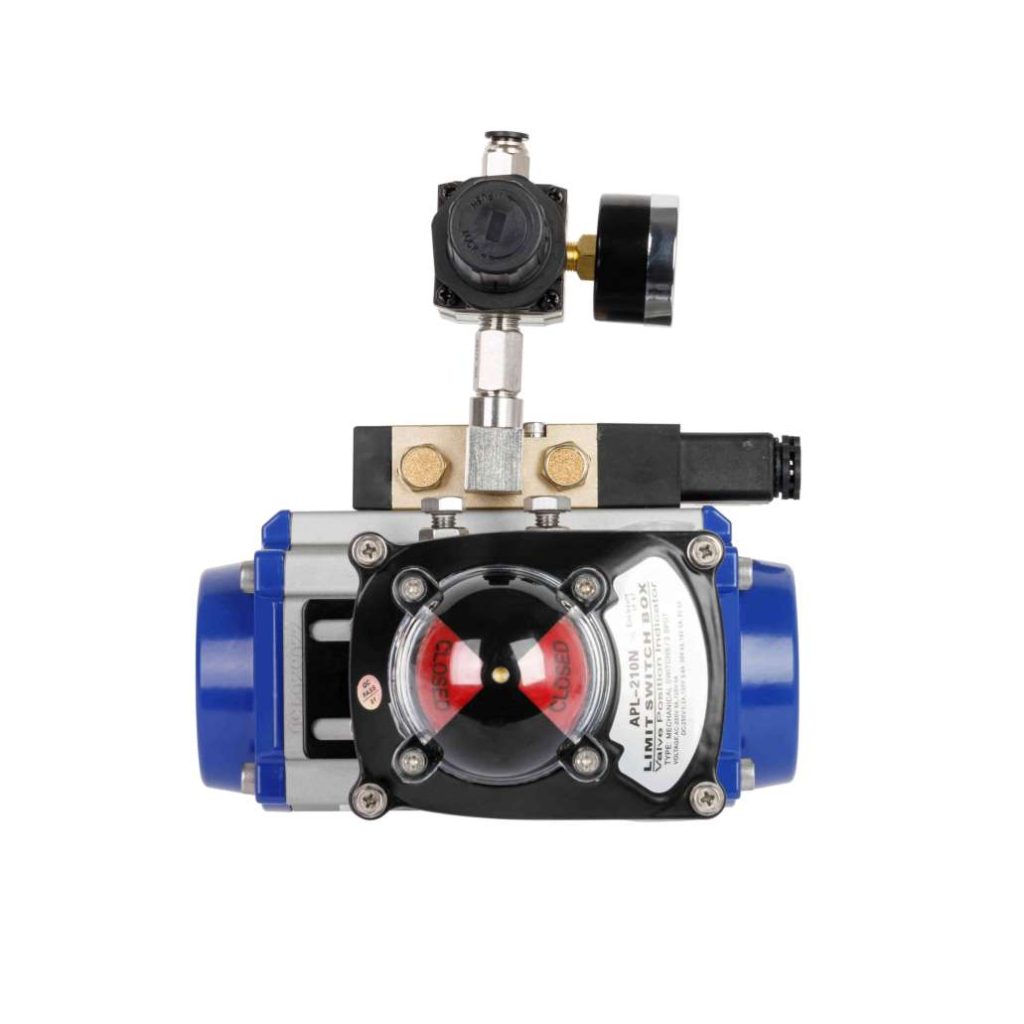
Pneumatic actuators, devices that utilize compressed air to generate mechanical motion, are an essential component in various industrial applications. These actuators convert energy from compressed air into mechanical movement, typically in the form of linear or rotary motion. Pneumatic actuators are widely used for automating processes, controlling valves, driving machinery, and enhancing manufacturing efficiency. This article explores the principles, types, applications, and benefits of pneumatic actuators, shedding light on why they are a crucial technology in modern industries.
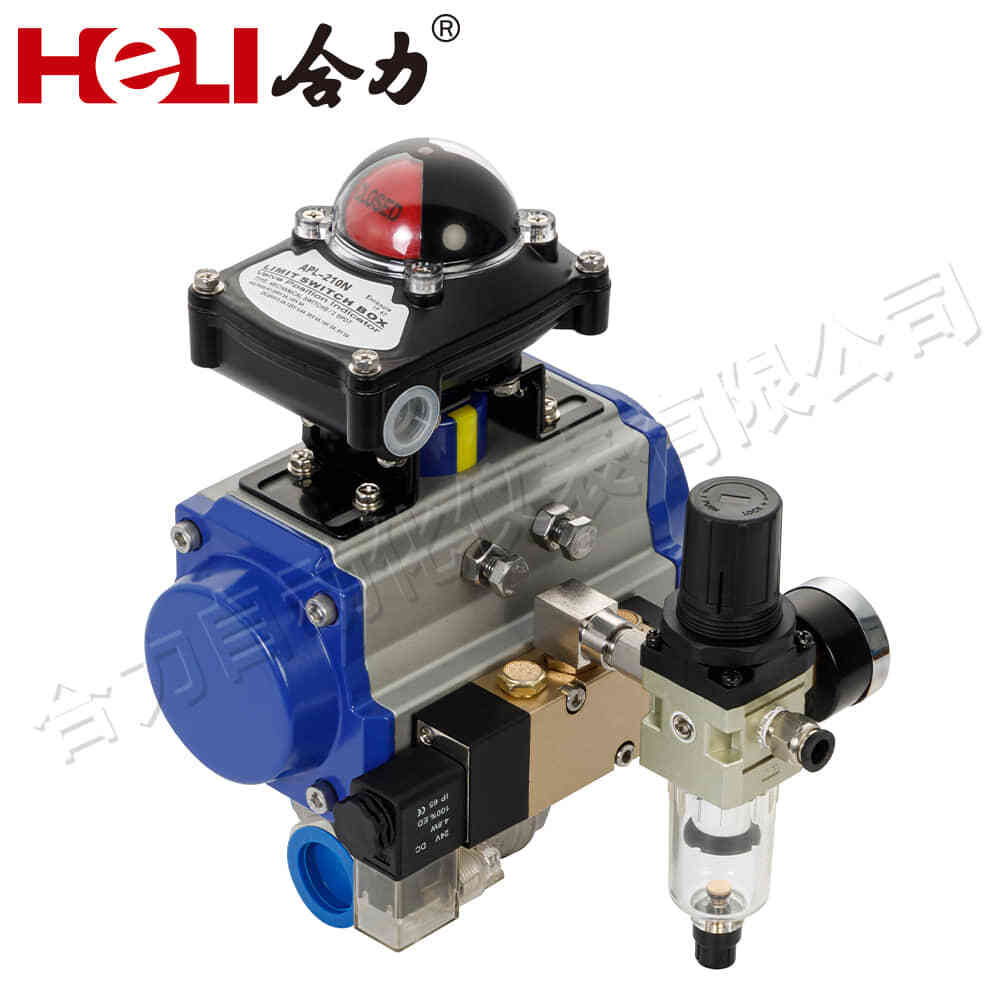
Understanding Pneumatic Actuators
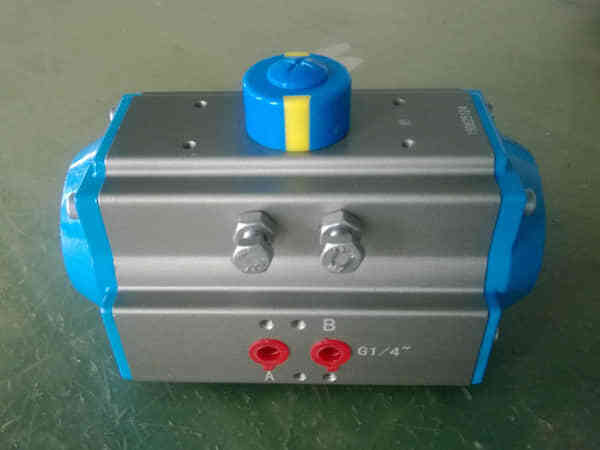
A pneumatic actuator works by harnessing the force generated by compressed air. The actuator consists of a cylinder, a piston, and other components that allow for the translation of air pressure into mechanical movement. When compressed air enters the actuator’s chamber, it pushes the piston, causing it to move either in a linear or rotary direction. The movement is then transmitted to a mechanical load or device. Pneumatic actuators are typically classified into two categories based on their motion output: linear actuators, which produce a back-and-forth motion, and rotary actuators, which generate a turning or rotating motion.