In industrial settings where machinery and equipment are heavily utilized, safety remains the foremost priority. One of the key components of maintaining safety during maintenance or repair activities is the use of lockout/tagout (LOTO) systems, which are designed to prevent accidental energization of machines. A Pneumatic Lockouts factory plays a pivotal role in manufacturing devices that are crucial for the safe isolation of pneumatic systems. These systems are integral in ensuring worker protection and meeting compliance standards in various industries. This article explores the significance of pneumatic lockouts, the function of these systems, and the impact of a Pneumatic Lockouts factory on workplace safety.
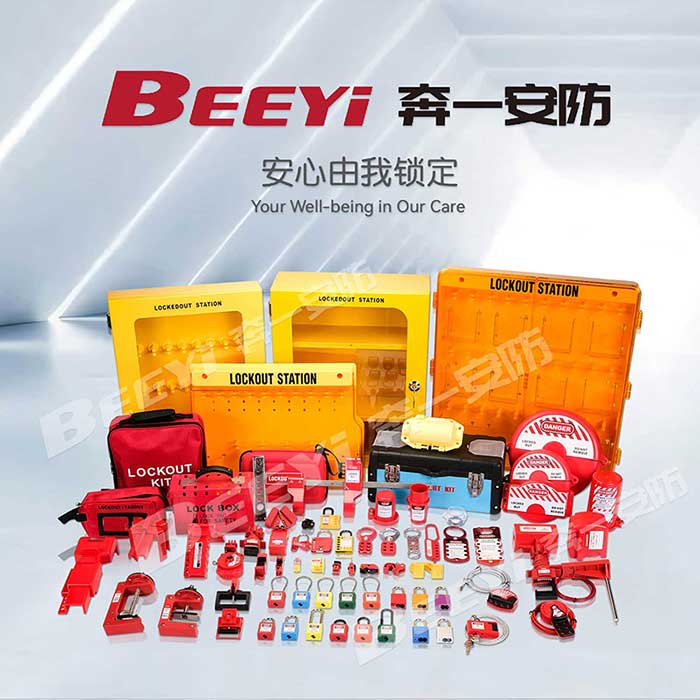
What Are Pneumatic Lockouts? Pneumatic Lockouts are specialized devices used to lock and secure pneumatic control systems in a de-energized state. They are typically used in industries where machinery, pipelines, or equipment operate using compressed air or other gas systems. The purpose of a pneumatic lockout is to prevent the accidental release of pressurized air or gases, which could result in equipment start-up or release of hazardous materials, causing potential harm to workers. These lockouts serve as a physical barrier that stops operators from manipulating valves, switches, or air lines that control pressurized systems. By securely locking these components in place, workers can perform maintenance, repair, or other tasks without the risk of sudden equipment activation.