In modern automobiles, safety and visibility are paramount. One of the most crucial components that ensure both is the automotive relay for headlights. Often overlooked, this small but significant device plays a pivotal role in the functioning of a vehicle’s lighting system. Understanding how automotive relays work for headlights can help car owners appreciate their importance and recognize the warning signs of potential issues.
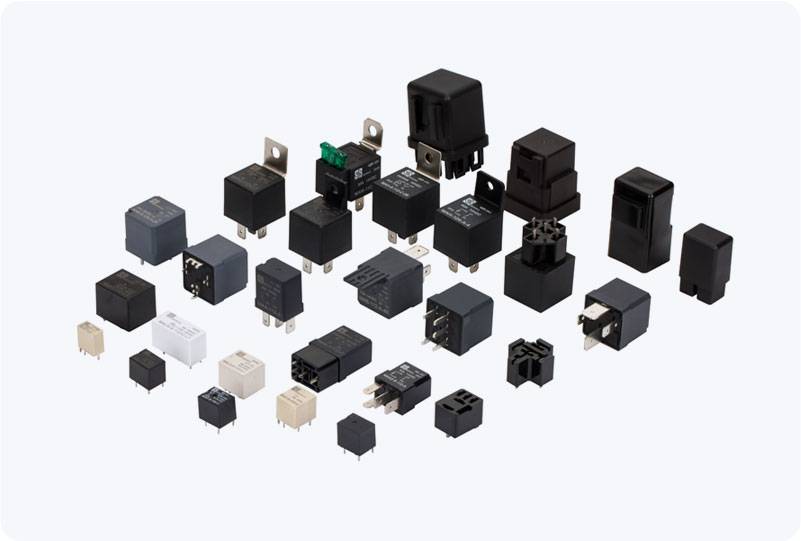
What is an Automotive Relay? An automotive relay is an electromechanical switch used to control high-power electrical circuits with a low-power signal. It consists of an electromagnet, a movable armature, and contacts that open or close the electrical circuit. In the case of headlights, a relay allows the low current from the headlight switch to control the high current required to power the headlights themselves. This method minimizes the risk of overloading the switch, which can lead to premature failure or even damage to the vehicle’s wiring. How Does a Headlight Relay Work? The operation of an automotive relay for headlights can be broken down into a few basic steps:
Leave a Reply