Telecommunication relay systems are fundamental components in modern communication networks, enabling the seamless transmission of signals over long distances and across various mediums. These relays facilitate communication by ensuring signal integrity, extending coverage, and supporting a wide range of communication technologies, from traditional telephone lines to advanced fiber optic and satellite networks. This article explores the various types of telecommunication relays, their key functions, and the role they play in contemporary communication infrastructure.
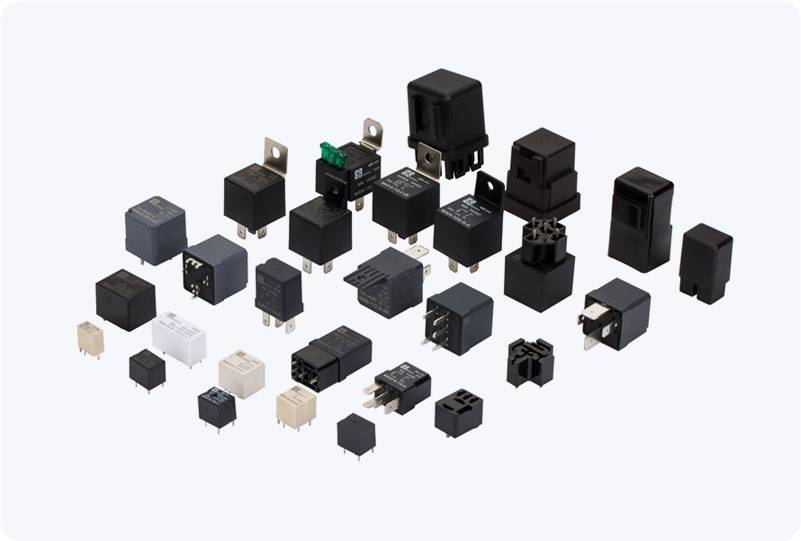
The Basics of Telecommunication Relay At its core, a telecommunication relay is a device designed to receive, amplify, and retransmit signals in a communication network. It ensures that signals can travel over long distances without degradation, especially when direct communication is not possible due to geographical limitations or the need for signal enhancement. Relays can be classified based on the type of signal they handle. In a simple sense, relays operate similarly to traditional electrical relays but are specialized for communication networks. Their primary task is to regenerate or relay the signal, thus improving overall network efficiency and reliability.