The High Voltage DC Main Relay (HVDC Main Relay) plays a critical role in modern electrical systems, particularly in applications that require safe and reliable control of high-voltage direct current (DC). As the adoption of electric vehicles, renewable energy systems, and large-scale energy storage grows, the importance of this component cannot be overstated. It serves as a central element in protecting electrical circuits, managing power flow, and ensuring operational safety.
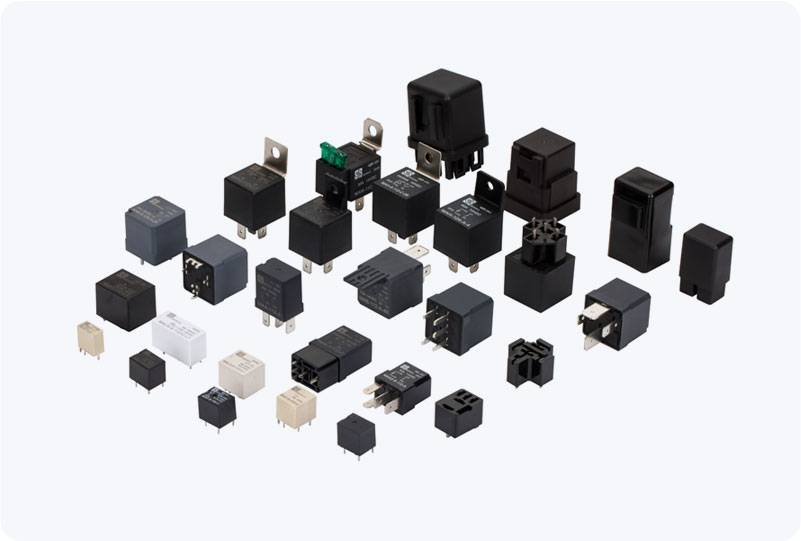
A High Voltage DC Main Relay is essentially an electromechanical or solid-state switch designed to handle high DC voltages and currents. Unlike alternating current (AC) systems, DC circuits pose unique challenges due to the lack of zero-crossing points, which makes breaking a DC circuit more difficult. This characteristic necessitates the use of specialized relays capable of interrupting and closing high-voltage DC circuits efficiently without causing damage or arcing. One of the primary functions of the HVDC Main Relay is power control. In electric vehicles, for example, the relay connects and disconnects the high-voltage battery from the vehicle’s traction system. This connection must be both reliable and instantaneous to prevent damage to sensitive components such as the inverter or electric motor. Similarly, in renewable energy systems such as solar power plants, the relay helps manage the flow of electricity between solar panels, batteries, and inverters. By doing so, it ensures that power is delivered efficiently and safely to the grid or storage systems.