Electromechanical relays (EMRs) are fundamental components in the field of electrical engineering and automation. These devices act as electrically controlled switches, which use an electromagnetic field to operate mechanical contacts. The simplicity and reliability of electromechanical relays have made them indispensable in various applications, from household appliances to industrial control systems. This article delves into the basic principles, common applications, advantages, and some future developments surrounding electromechanical relays.
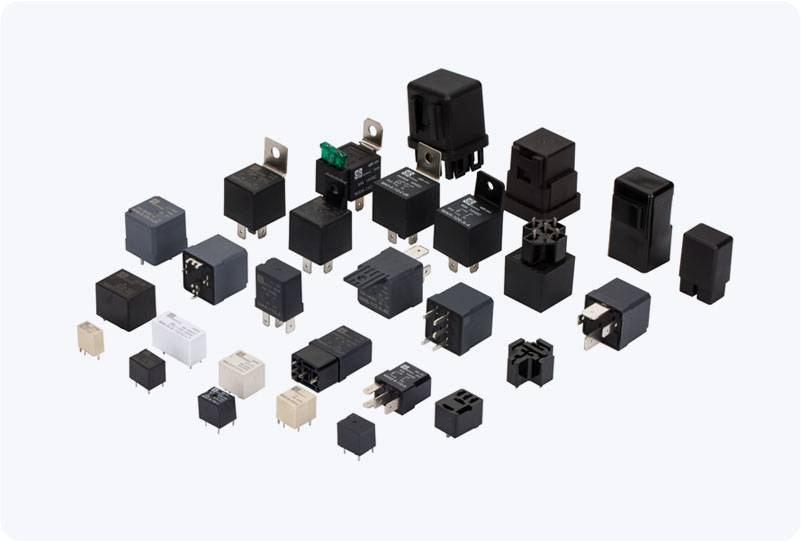
Basic Principles of Electromechanical Relays At its core, an electromechanical relay consists of four main components: a coil, a movable armature, contacts, and a spring. The operation of an electromechanical relay is simple yet effective. When an electric current flows through the coil, it generates a magnetic field. This magnetic field attracts the armature, which in turn moves the contacts, either closing or opening a circuit. Once the current is removed, the magnetic field dissipates, and the spring mechanism returns the armature to its original position, restoring the contacts to their default state.