Communication relay systems play an essential role in modern telecommunications, serving as bridges that extend signal reach and maintain the integrity of data transmission across various communication networks. As the demand for faster, more reliable connectivity grows, the need for effective communication relay technology has become increasingly apparent in numerous sectors, including wireless networks, satellite communications, and internet infrastructure. This article explores the concept of communication relay, its types, applications, and its importance in modern communication systems.
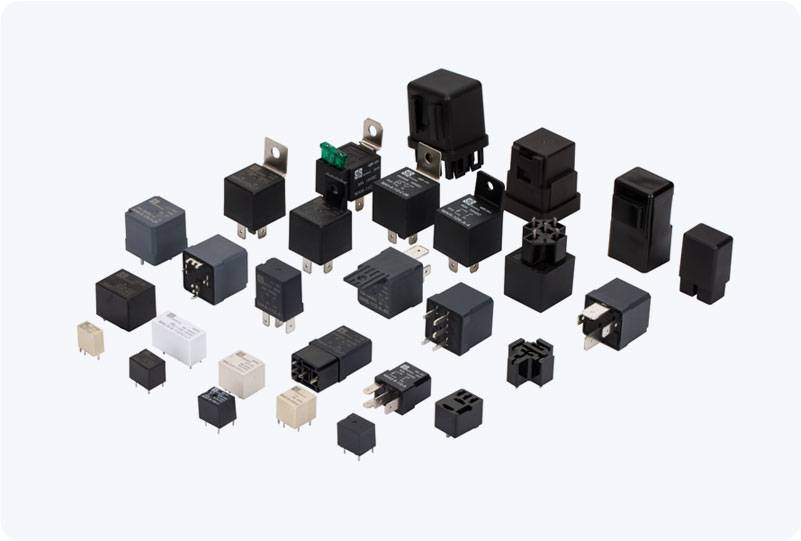
What is Communication Relay? At its core, a communication relay is a device or system that receives a signal and forwards it to another location. The relay can either amplify, modify, or retransmit the signal, ensuring that data can travel over longer distances or through environments where direct communication might be hindered. Communication relays are particularly vital in situations where the transmission medium (such as air, cables, or space) causes signal degradation over distance or due to physical obstructions. Relay systems are designed to overcome obstacles that can cause signal loss or attenuation. This could include long-range transmissions that would otherwise be too weak to reach their destination, interference from other electronic devices, or geographical features such as mountains or urban environments that block line-of-sight signals.