Direct Acting Solenoid Valves are pivotal components in modern fluid control systems, widely used in various industrial applications to regulate the flow of gases, liquids, and steam. These valves are known for their simplicity, quick response times, and versatility, making them a preferred choice in applications where precise fluid control is essential. In this article, we will explore the working principles, advantages, and typical uses of Direct Acting Solenoid Valves.
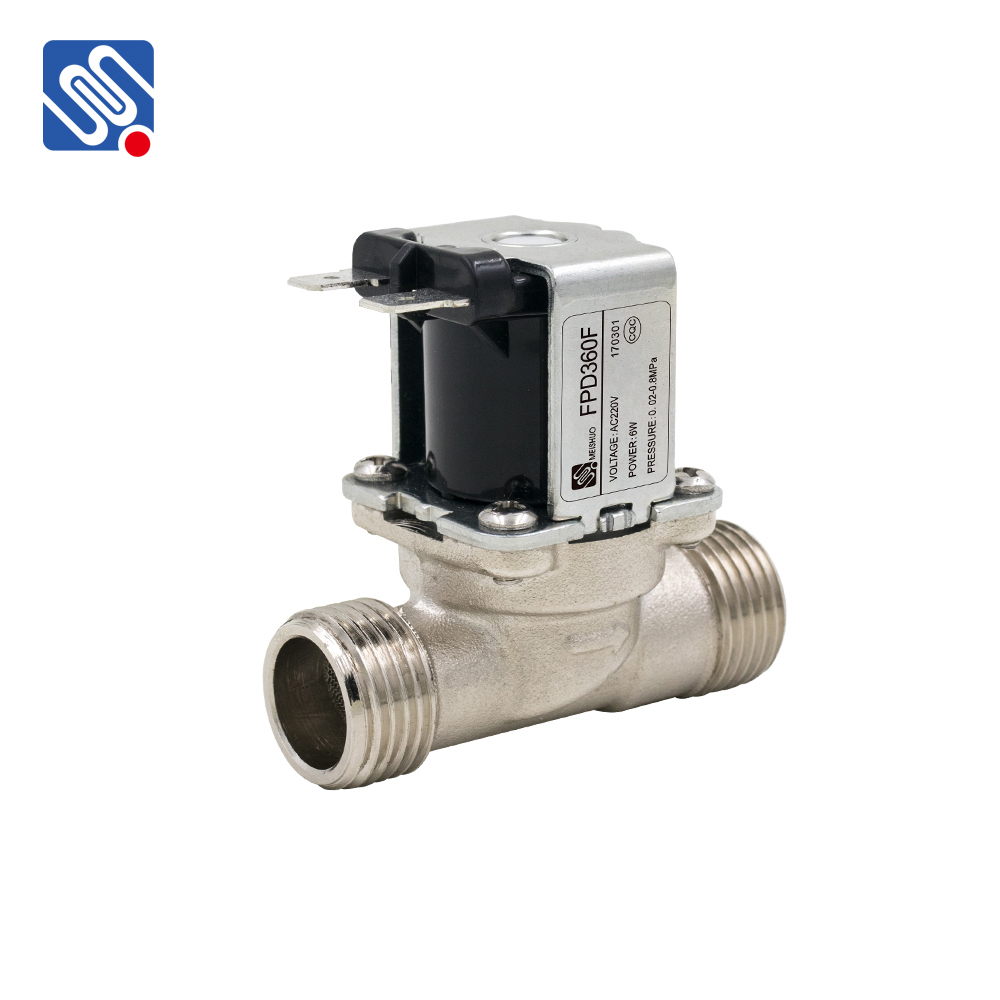
What is a Direct Acting Solenoid Valve? A Direct Acting Solenoid Valve is an electromagnetic valve that directly controls the flow of fluid without the need for an external pilot or pressure source. The valve operates based on the principles of electromagnetism. When an electric current passes through the solenoid (a coil of wire), it generates a magnetic field that attracts or repels a plunger or valve body, opening or closing the valve to allow or block fluid flow. Unlike pilot-operated solenoid valves, which require a pressure differential between the inlet and outlet to activate, Direct Acting Solenoid Valves function independently. This makes them ideal for use in low-pressure systems or where rapid switching is required.