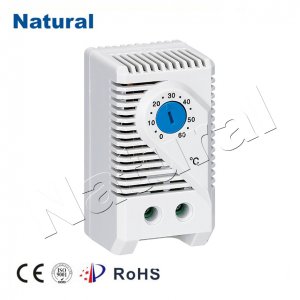
A cabinet thermostat is a specialized temperature control device designed to maintain optimal environmental conditions inside enclosed spaces such as electrical cabinets, data centers, and industrial equipment enclosures. The role of this device is crucial in safeguarding sensitive electronics and machinery from potential damage caused by temperature fluctuations. This article delves into the significance of cabinet thermostats, their applications, and how they operate to protect valuable equipment from the dangers of overheating or excessive cold.
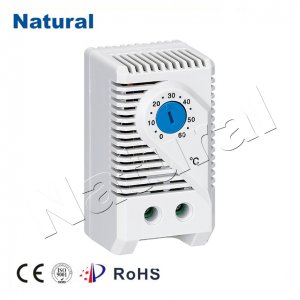
What is a Cabinet Thermostat?
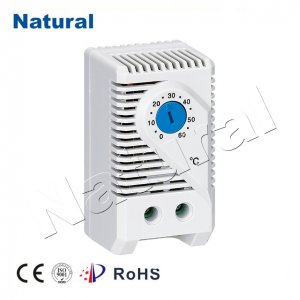
A cabinet thermostat is essentially a temperature regulation system designed for use in closed, compact environments. It ensures that the temperature inside a specific enclosure, such as a server rack or electrical control cabinet, remains within a desired range. These thermostats are equipped with sensors that detect the temperature and activate cooling or heating mechanisms to maintain the set temperature. This is particularly important in settings where even minor temperature changes can lead to malfunctioning or failure of delicate equipment. How Does a Cabinet Thermostat Work? The working mechanism of a cabinet thermostat is simple yet highly effective. Most cabinet thermostats are made up of two main components: a temperature sensor and a control unit. The sensor constantly monitors the internal temperature of the cabinet and sends the data to the control unit. Based on the readings, the control unit makes decisions to either power a cooling fan, activate a heater, or adjust the operation of any other connected devices to regulate the temperature.