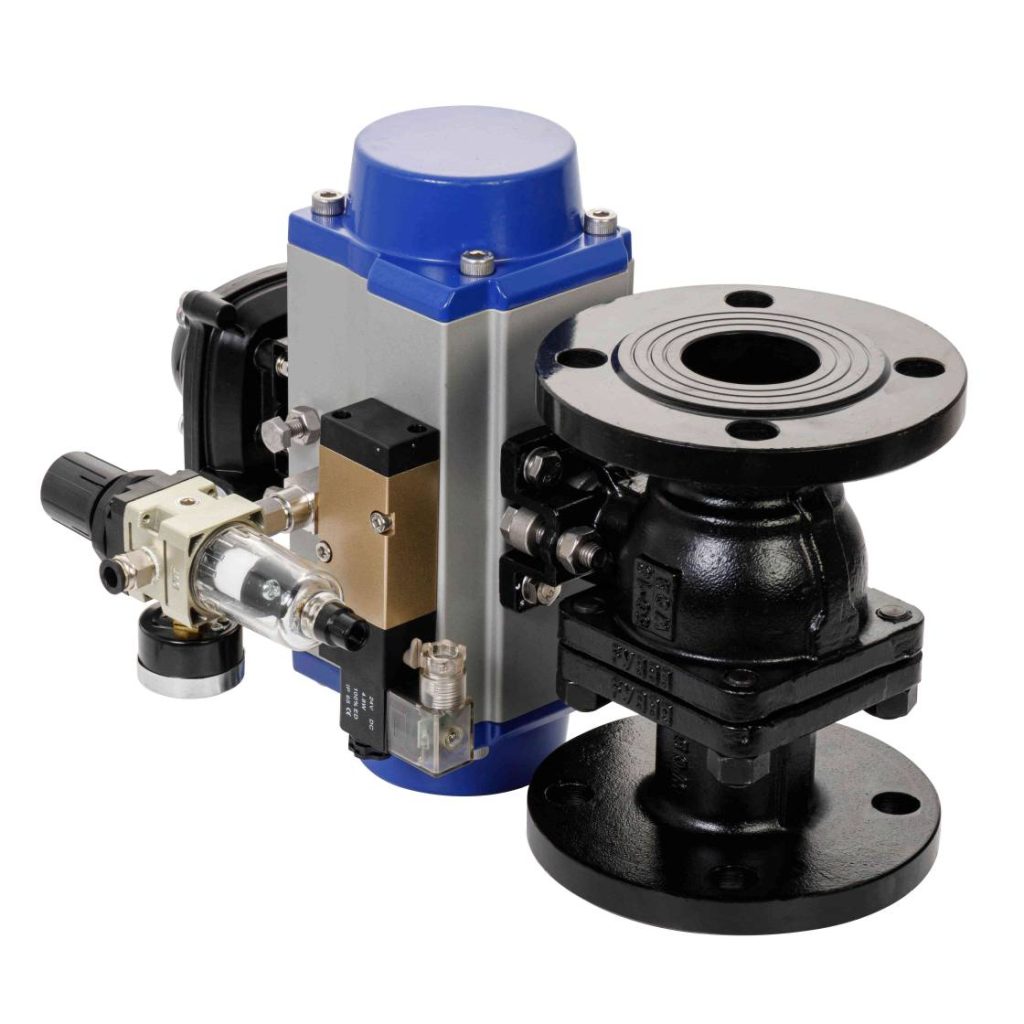
In modern industries, controlling the flow of liquids and gases is an essential part of the operational process. One of the most reliable and effective devices used for this purpose is the stainless steel pneumatic ball valve. These valves are designed to offer precise control, durability, and efficiency in various fluid systems. This article explores the features, benefits, applications, and key considerations when choosing stainless steel pneumatic ball valves.

What is a Stainless Steel Pneumatic Ball Valve?
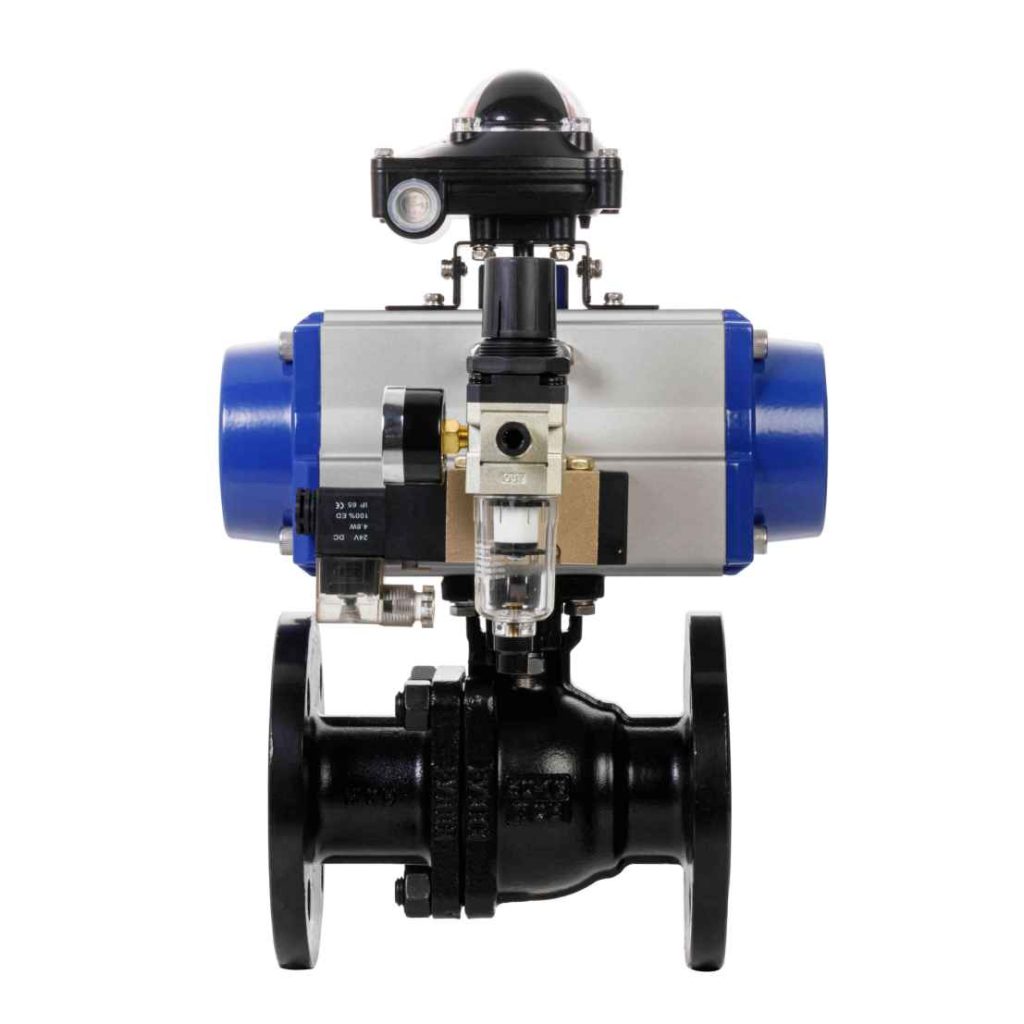
A stainless steel pneumatic ball valve is a type of valve that uses compressed air to control the opening and closing of a ball inside the valve body. The ball has a hole or port through the middle, and when the valve is open, fluid can flow through this hole. When the valve is closed, the ball rotates to block the flow of the fluid. The key component in this type of valve is the pneumatic actuator, which is powered by compressed air, allowing for automatic and remote operation. The valve body itself is typically made from stainless steel, known for its excellent corrosion resistance, strength, and durability. Stainless steel is especially beneficial in harsh environments where valves are exposed to high pressures, extreme temperatures, or corrosive chemicals. This makes stainless steel pneumatic ball valves ideal for industries such as chemical processing, oil and gas, food and beverage, pharmaceuticals, and water treatment.