The Flow Control Solenoid Valve (FCSV) is a crucial device used in various fluid management systems to regulate the flow of liquids and gases. Through electromagnetic actuation, this valve allows for precise control over the flow rate, making it indispensable in industries like manufacturing, automotive, HVAC, and hydraulics. This article delves into the working principle, applications, advantages, and types of Flow Control Solenoid Valves to provide a comprehensive understanding of their importance in modern fluid control systems.
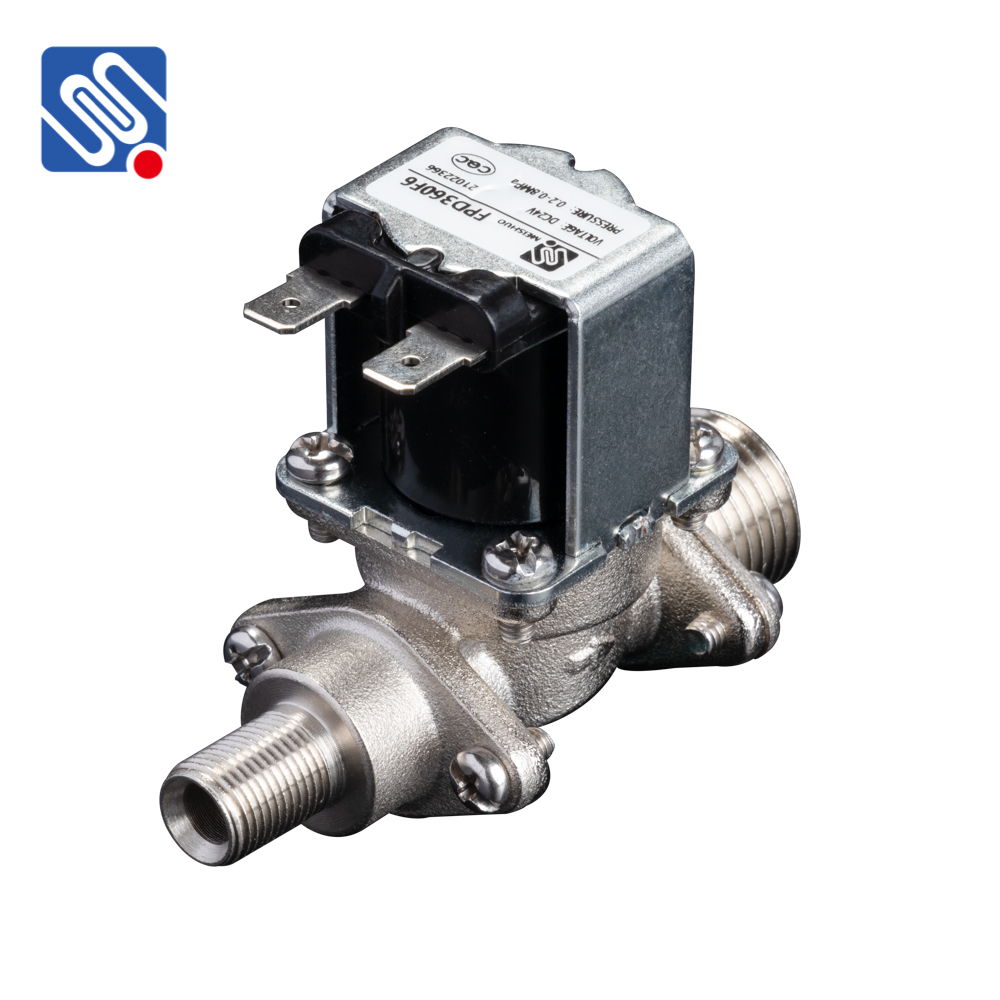
What is a Flow Control Solenoid Valve? A Flow Control Solenoid Valve is an electronically controlled valve designed to regulate the flow rate of fluids within a system. Unlike conventional mechanical valves, which require manual operation, FCSVs operate via an electromagnetic coil that opens or closes the valve, adjusting the flow of liquid or gas. The solenoid valve can be either normally open (NO) or normally closed (NC), depending on the specific design and function. By adjusting the power supplied to the solenoid, the valve’s opening size can be modified, allowing for continuous or stepwise regulation of flow.