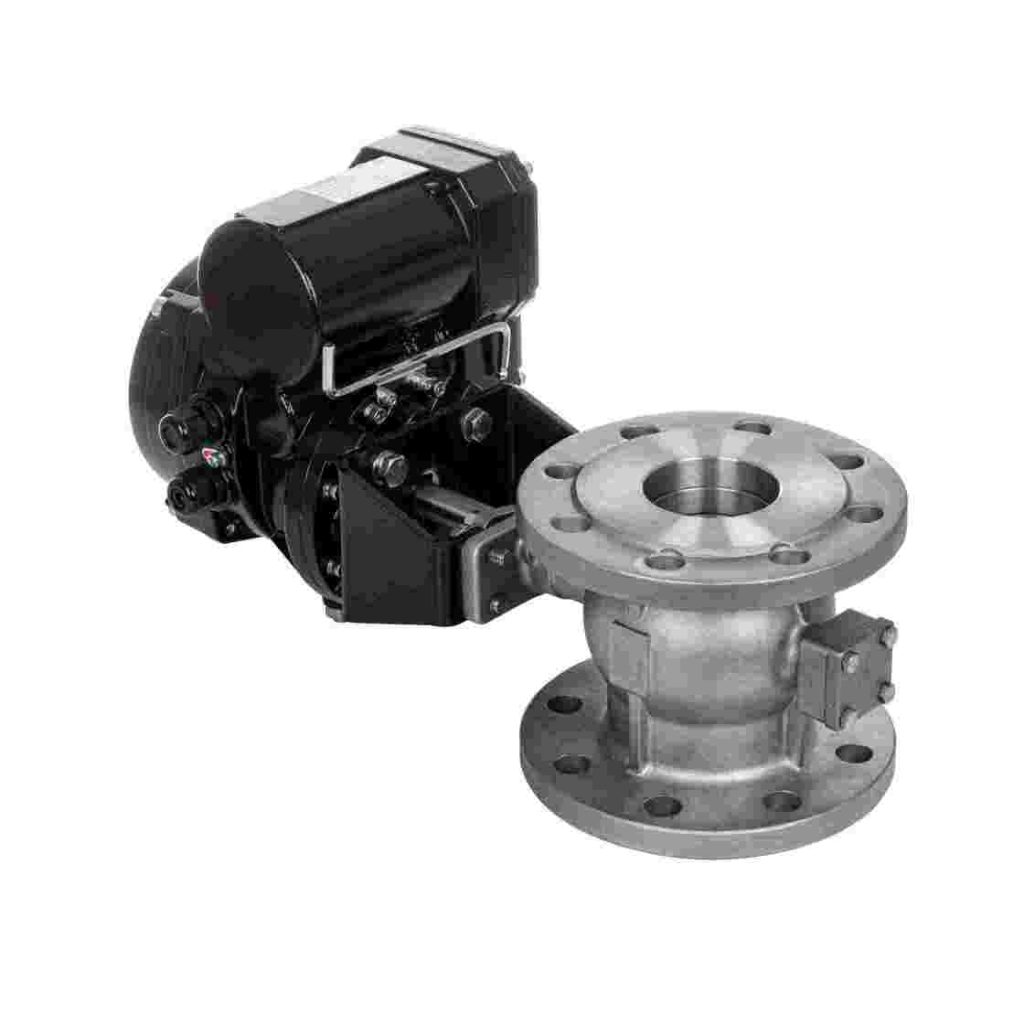
Electric stainless steel ball valves have become an essential component in modern industrial processes due to their reliability, durability, and versatility. These valves are used to control the flow of fluids, including water, gases, and oils, in various applications, ranging from chemical processing to water treatment. This article will provide a detailed overview of electric stainless steel ball valves, including their working principles, advantages, applications, and key considerations when selecting the right valve for specific industrial needs.
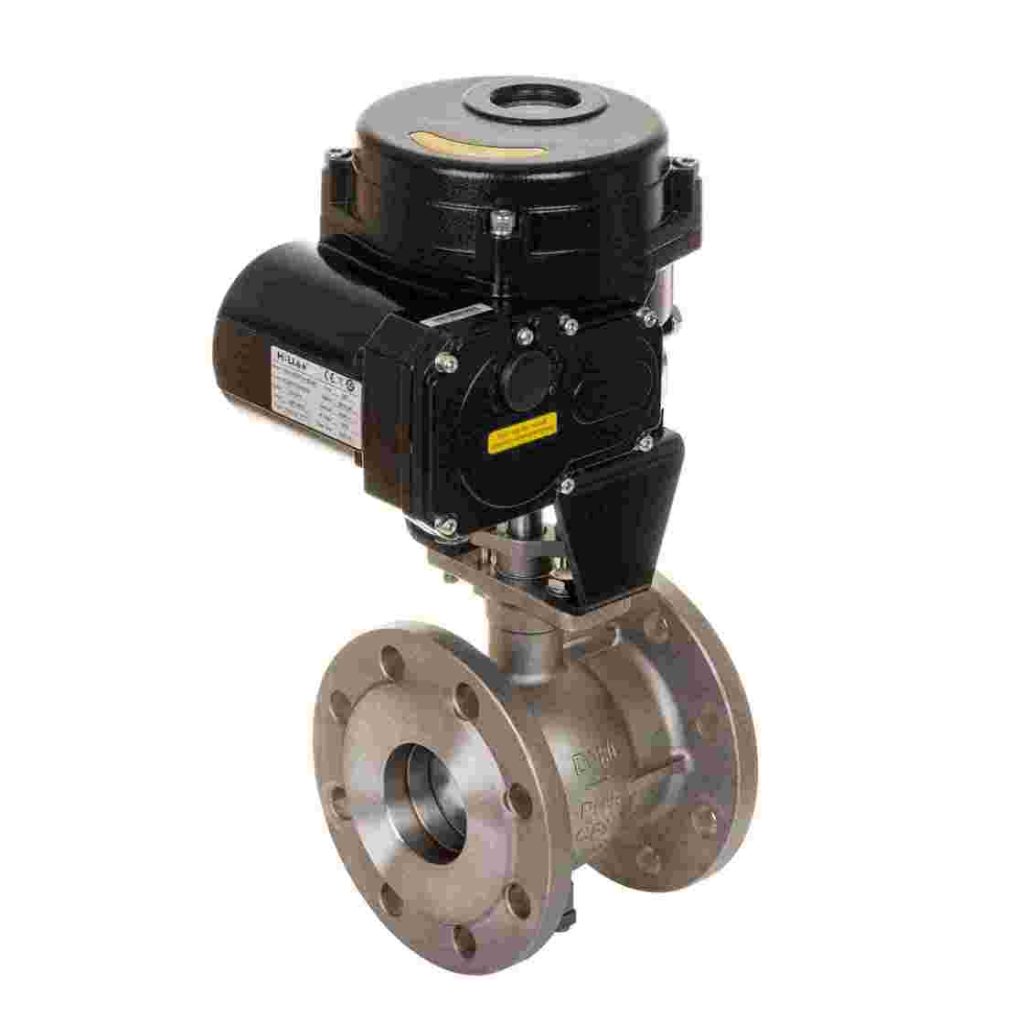
What is an Electric Stainless Steel Ball Valve?
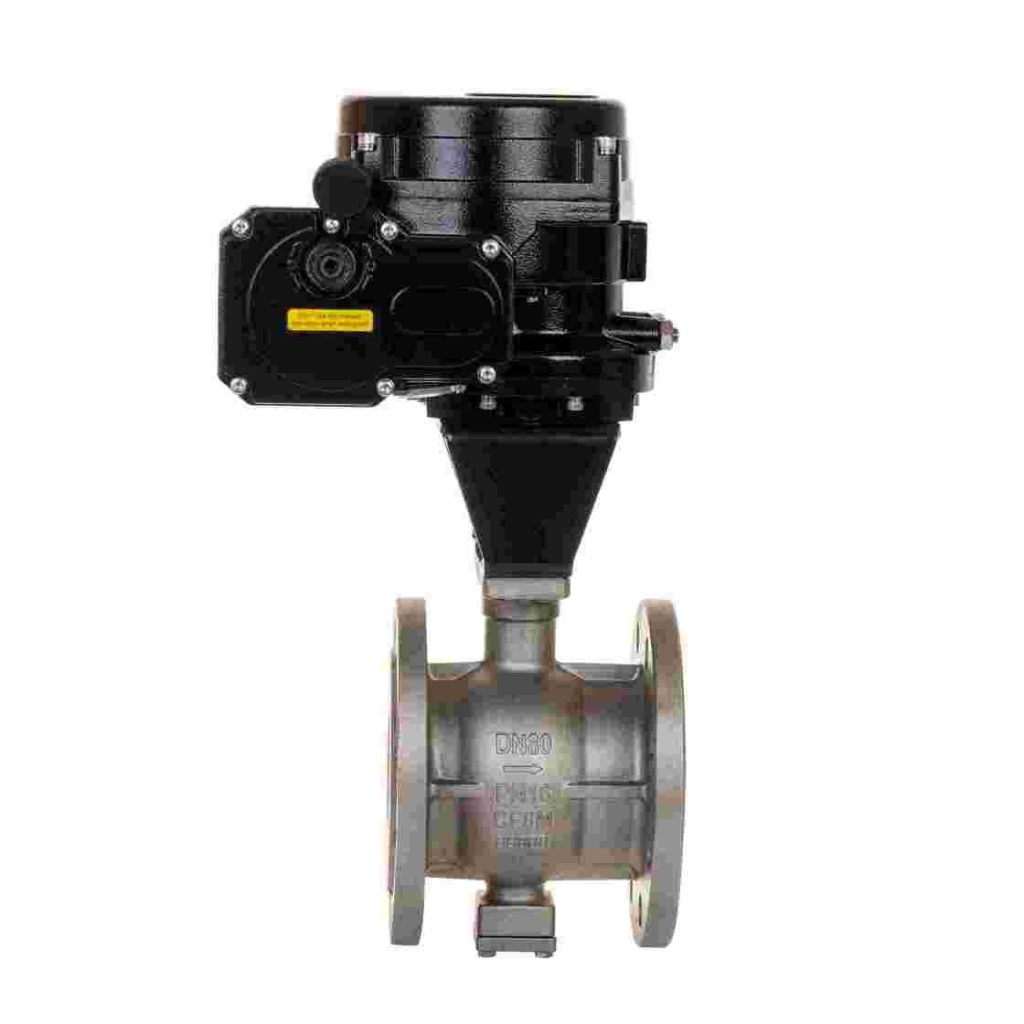
An electric stainless steel ball valve is a type of valve that combines a stainless steel ball valve mechanism with an electric actuator. The ball valve consists of a spherical ball with a hole through its center. By rotating the ball, the valve either opens or closes, allowing or stopping the flow of fluid. The electric actuator provides the force necessary to rotate the ball, eliminating the need for manual operation. This automation makes electric ball valves ideal for processes where remote control and precise flow control are needed. The stainless steel material of the valve offers significant advantages, particularly in corrosive environments. Stainless steel is known for its strength, durability, and resistance to corrosion, making it the material of choice in industries dealing with aggressive chemicals, high temperatures, and harsh conditions.