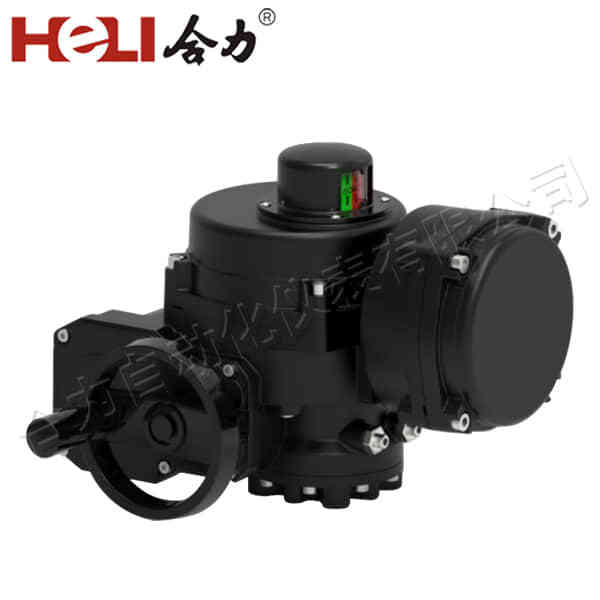
Electric actuators for valves have revolutionized the way industries handle flow control and automation. As automation becomes increasingly vital in industrial processes, the role of electric actuators has expanded beyond traditional applications, offering high precision, reliability, and ease of integration. This article explores the advantages, working principles, applications, and factors to consider when choosing an electric actuator for valves.
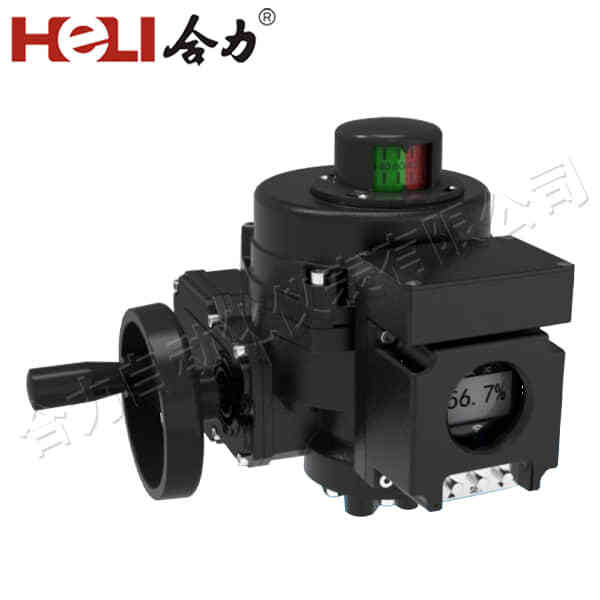
What is an Electric Actuator for Valves?
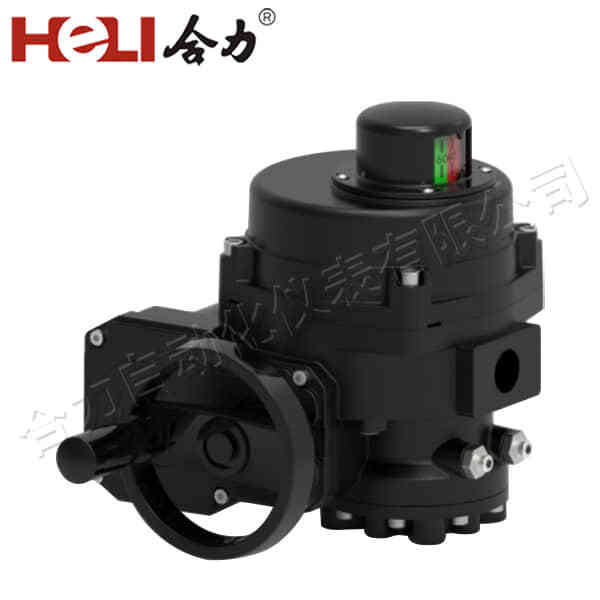
An electric actuator for valves is a device that uses an electric motor to operate a valve, allowing for automated control of fluid flow, pressure, or temperature in pipelines and systems. The actuator translates the electric energy into mechanical movement, which adjusts the valve position accordingly. It is used to open, close, or modulate the valve, based on the requirements of the system. These actuators are essential in applications where precise, remote, or automated control of fluid systems is needed. Working Principles Electric actuators consist of several key components, including the electric motor, gears, sensors, and controllers. The electric motor, which can be either a direct current (DC) or alternating current (AC) motor, drives the movement of the valve stem via a gear mechanism. The movement is typically rotary (for ball or butterfly valves) or linear (for globe or gate valves), depending on the type of valve.