In industrial settings, safety is paramount, and protecting workers from the hazards associated with machinery and equipment is essential. One critical component of industrial safety is the valve lockout device, which serves as a key element in the Lockout/Tagout (LOTO) procedures. These devices are specifically designed to prevent accidental valve operation during maintenance, repair, or servicing, ensuring that workers are not exposed to dangerous conditions.
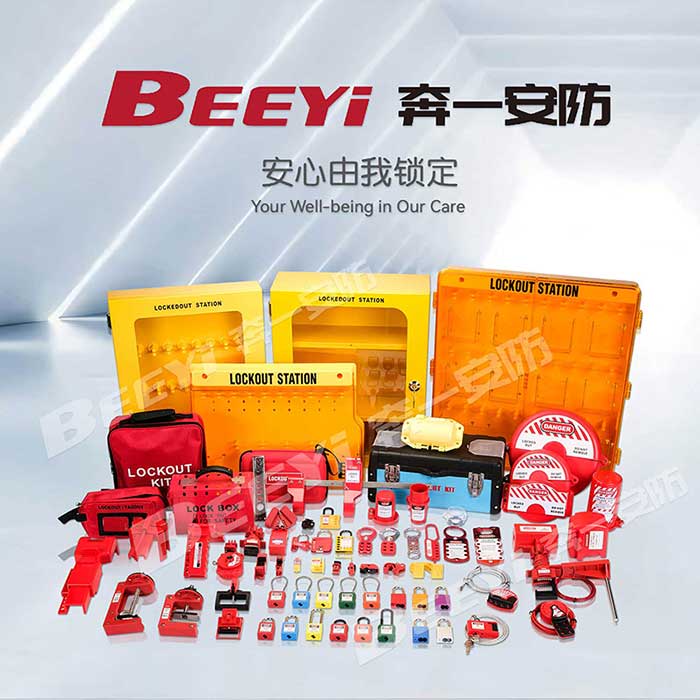
What is a Valve Lockout Device? A valve lockout device is a safety tool that prevents a valve from being accidentally turned on or off during maintenance activities. Valves control the flow of liquids, gases, or chemicals within pipes or systems, and improper handling can lead to hazardous situations. The lockout device is used to secure the valve in a closed or open position, depending on the requirement, preventing any unintended movement that could result in exposure to harmful substances or energy release. How Does a Valve Lockout Device Work? Valve lockout devices are simple but effective tools that typically consist of a cover or enclosure that fits over the valve’s handle or actuator. The device may be a clamp, cage, or cover designed to fit specific types of valves, such as ball valves, gate valves, or plug valves. The device is secured with a lock, and the key is kept with the authorized personnel performing the work.