In industrial settings, machinery and equipment are essential components of daily operations, but they also present significant risks to workers. One of the most critical safety procedures to mitigate these risks is the Lockout/Tagout (LOTO) process, a standardized approach designed to prevent the accidental release of hazardous energy during maintenance and repair activities. At the core of this process are LOTO devices, tools that help ensure that machines are safely de-energized and cannot be started unintentionally. This article explores the importance of LOTO devices, their types, and how they contribute to workplace safety.
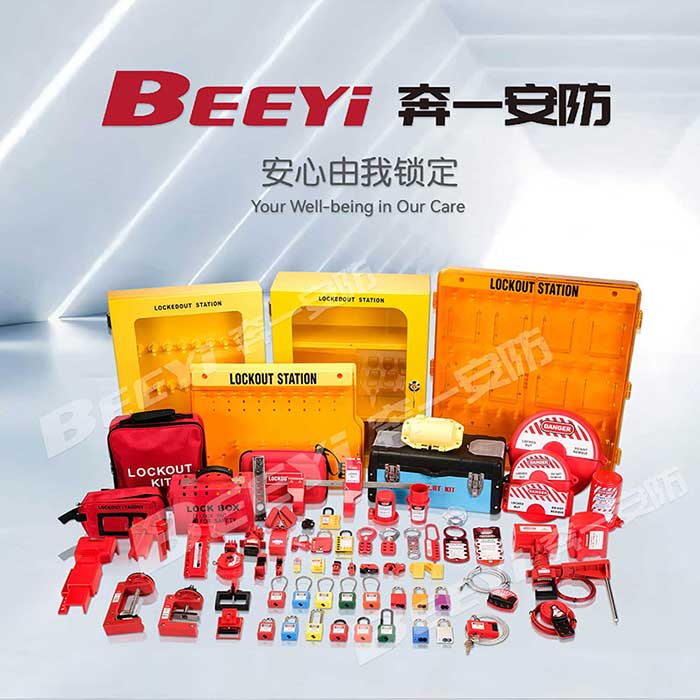
The Importance of LOTO Devices Accidents in workplaces involving machinery often occur when workers inadvertently come into contact with energized equipment. The risk of electrocution, crushing, or burns is prevalent, especially during maintenance or repair when equipment is exposed. To prevent such incidents, the Lockout/Tagout procedure is employed. LOTO devices form the backbone of this procedure by allowing workers to physically lock out or tag equipment, preventing it from being operated or powered on. The primary goal of LOTO devices is to isolate energy sources—whether electrical, mechanical, hydraulic, or pneumatic—during servicing. By using these devices, workers can perform maintenance with the assurance that equipment cannot be accidentally turned on or activated.