The 12V relay is an essential component in the field of electrical and electronic control systems, widely used in various applications such as automation, automotive, and home appliances. This small but powerful device plays a critical role in switching high-power circuits with low-power control signals, ensuring that electrical systems operate smoothly and efficiently. In this article, we will explore the working principles, types, applications, and benefits of the 12V relay, highlighting why it remains a staple in many technological applications.
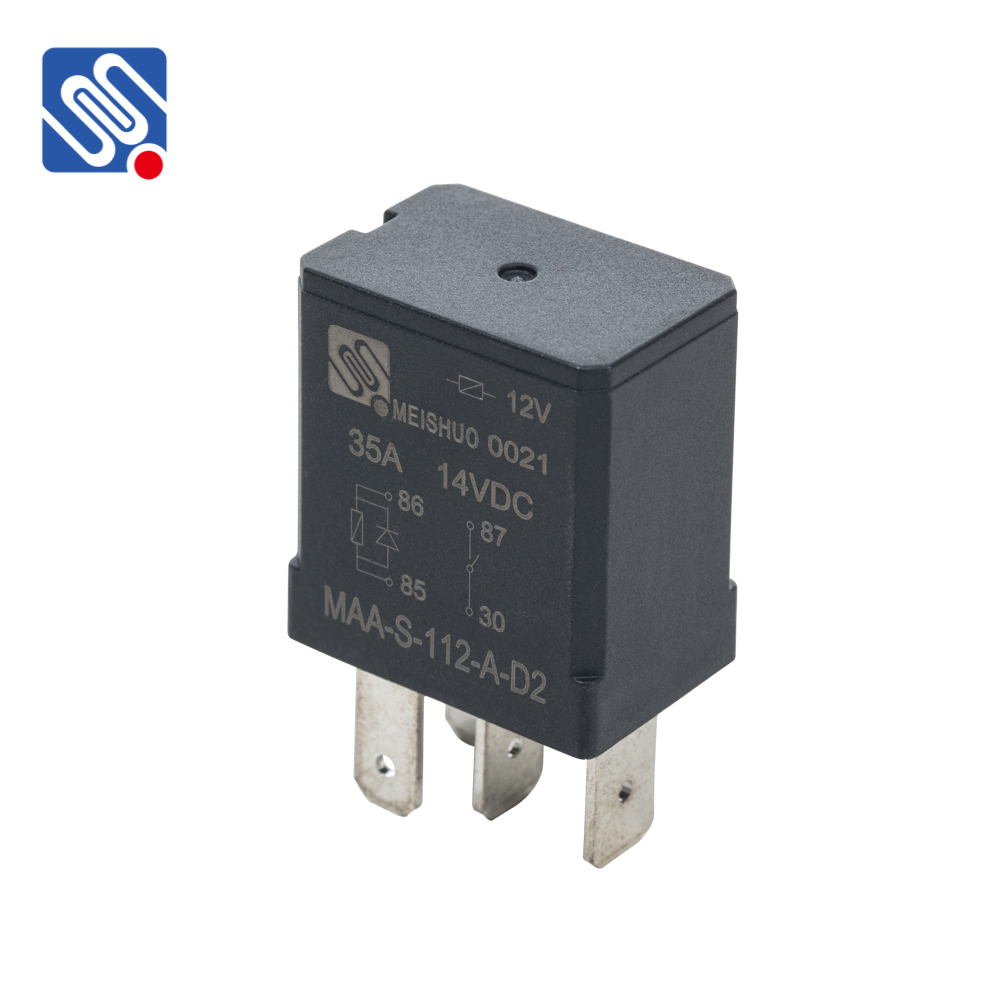
What is a 12V Relay? A relay is an electrically operated switch that allows low-voltage circuits to control high-voltage devices without the need for direct physical contact between the circuits. The 12V relay is designed to operate at a control voltage of 12 volts, which is commonly used in automotive and industrial systems. Relays are equipped with a coil, a set of contacts, and an armature that works together to switch the connected electrical load. The coil creates a magnetic field when energized, which attracts the armature and changes the state of the contacts, allowing current to flow through the load circuit.