Power relays are integral components in modern electrical control systems, playing a crucial role in switching large currents or voltages with the help of low-power control signals. These versatile devices are used in a variety of applications, from industrial automation to household appliances, enabling efficient and safe management of electrical circuits. In this article, we will explore the basics of power relays, their types, applications, and advantages, shedding light on why they are essential in the world of electrical engineering.
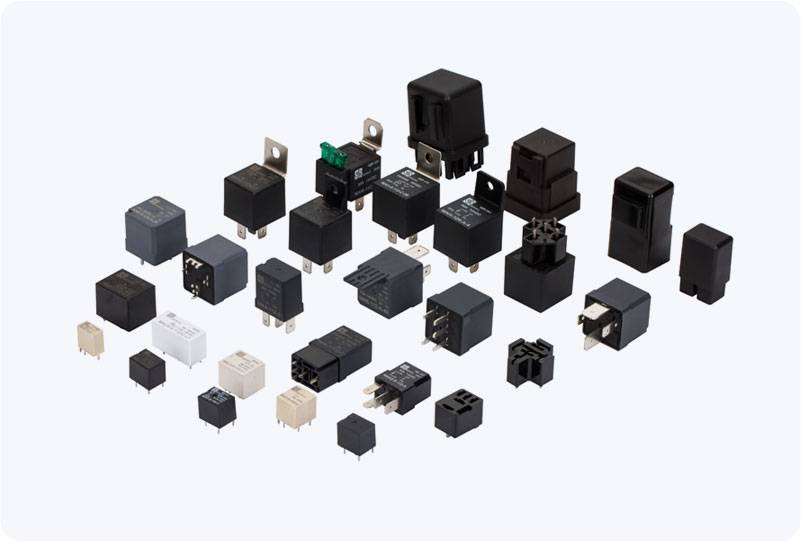
What is a Power Relay? A power relay is an electrically operated switch that allows a low-power signal to control the switching of higher power circuits. Essentially, a relay can act as a middleman between a small, controlled circuit and a large, power-hungry device, enabling the automation of electrical systems while maintaining safety and efficiency. Power relays are made up of an electromagnet, a set of contacts, and a spring mechanism. When current flows through the electromagnet, it generates a magnetic field that moves the contacts, either closing or opening the circuit, depending on the type of relay.