Electric vehicles (EVs) are rapidly becoming an integral part of the global shift towards sustainable transportation. As these vehicles continue to evolve, one of the key components in ensuring their safety and efficiency is the Precharge Relay. This seemingly simple device plays a crucial role in the operation of EVs, particularly in the management of power flow between the battery and the electric control system. In this article, we will explore the function, importance, and application of Precharge Relays in EVs.
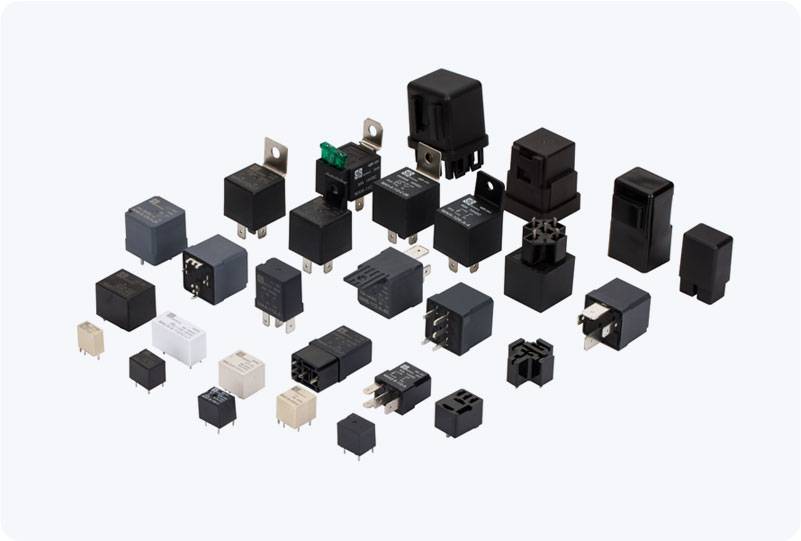
What is a Precharge Relay? A Precharge Relay is a safety mechanism integrated into the electrical system of an electric vehicle, specifically designed to manage the initial connection between the battery and the powertrain. The main function of this relay is to prevent electrical surges and potential damage caused by sudden high voltage or current when the vehicle is powered on. Without a precharge relay, the instantaneous flow of high current could harm sensitive components, including capacitors, inverters, and other electronics in the system. How Does a Precharge Relay Work? When an electric vehicle is powered up, there is typically a voltage difference between the battery and the powertrain. Connecting these two systems directly could result in a large inrush current, which can be damaging. To prevent this, the precharge relay first allows a small current to flow into the system, gradually charging the powertrain capacitors and equalizing the voltage difference.