In modern electrical systems, controlling power supply to different circuits or devices is crucial to ensure efficient operation and safety. One such component that plays a key role in this process is the Relay Power Supply. This type of power supply uses a relay—a switch activated by an electrical signal—to manage the flow of electrical power to various loads. Its applications range from everyday consumer electronics to complex industrial systems, offering both automation and protection.
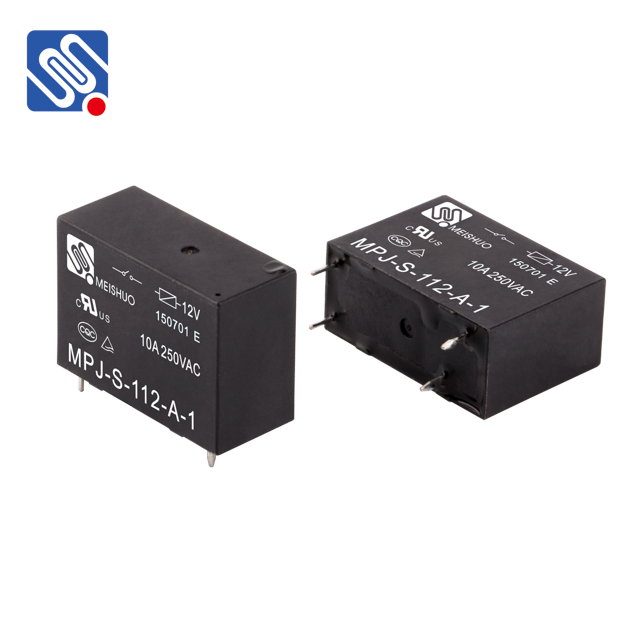
What is a Relay Power Supply? A Relay Power Supply is essentially a power system in which a relay is used to control the distribution of electrical power. The relay acts as an electrically operated switch, which either allows or interrupts the flow of electricity to a load. The relay can be triggered by different electrical signals, such as from a microcontroller or a voltage sensor. This means that the power supply can be turned on or off depending on the needs of the system, or even switched between multiple sources. How Does Relay Power Supply Work? The relay itself consists of an electromagnet (the coil), a movable arm (the armature), and a set of contacts. When an electrical current flows through the coil, it creates a magnetic field that moves the armature. This movement either opens or closes the contacts, thereby switching the power supply on or off.