Industrial timer relays are vital components in the field of industrial automation, offering precise time-based control for a wide range of applications. Whether controlling motors, lighting systems, or heating and cooling units, these devices ensure that operations proceed with the desired delays, intervals, or timings, which is essential for maintaining efficiency, safety, and functionality in various industrial environments. In this article, we will explore the key features, functions, types, and applications of industrial timer relays, providing a comprehensive understanding of how they contribute to modern automation systems.
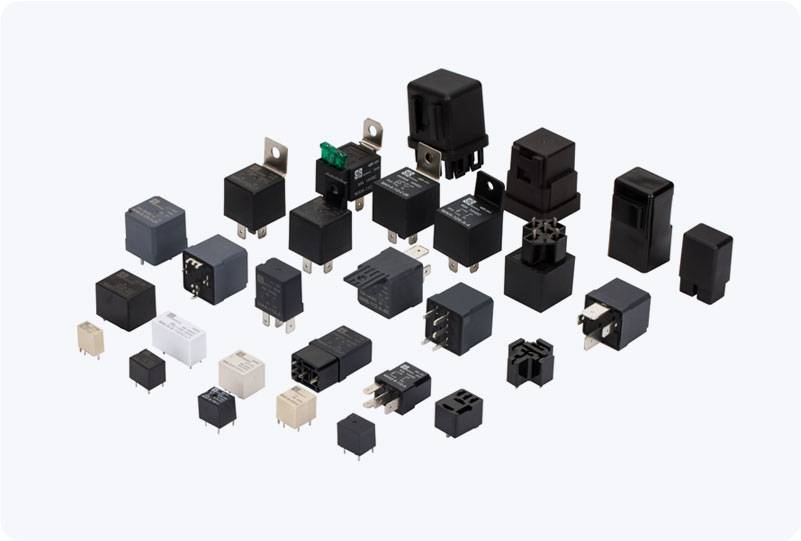
What is an Industrial Timer Relay? An industrial timer relay is an electromechanical or electronic device designed to control the time delays in circuits. It operates by delaying the action of a switch (usually a relay) after an input trigger, typically used to control operations in machinery or equipment. The relay can either open or close contacts after a preset time delay, allowing precise control of electrical devices or systems. Industrial timer relays are typically found in control panels, HVAC systems, motor control circuits, and other machinery where time-based operations are necessary. These relays are essential for automating processes and ensuring that systems operate in a coordinated manner, preventing potential hazards or system failures due to improper timing.