A High Current Relay is an essential component in electrical and electronic systems that require control over large currents. Unlike standard relays, which handle low to moderate currents, high current relays are specifically designed to manage heavy-duty loads efficiently and safely. These relays are widely used across industries such as automotive, industrial automation, power systems, and other applications where reliability and durability are critical.
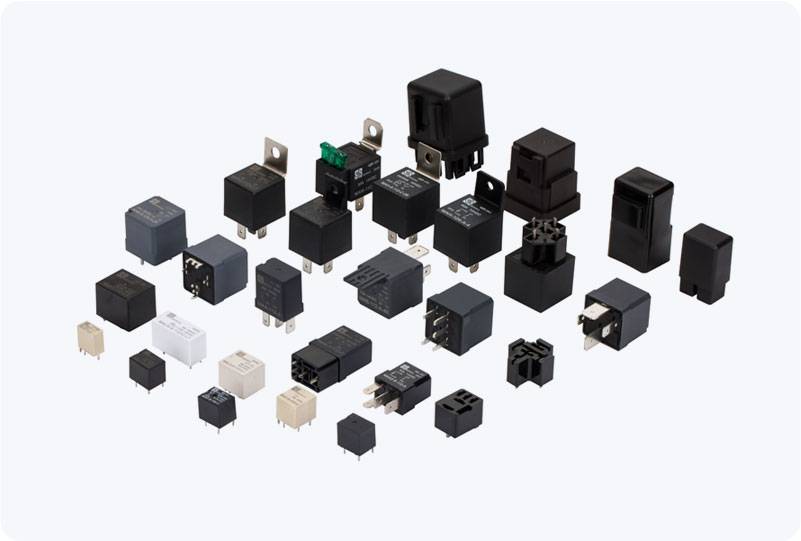
Key Features of High Current Relays One of the most important characteristics of a high current relay is its ability to handle large currents. Depending on the design and specifications, these relays can carry currents ranging from tens of amperes to several hundred amperes. This capability makes them suitable for controlling high-power devices such as electric motors, heaters, air conditioning systems, and other industrial equipment. The contact materials used in high current relays are carefully chosen to withstand wear and high electrical loads. Materials like silver-nickel or silver-palladium alloys are commonly used for the contacts, providing excellent conductivity while resisting the degradation caused by frequent switching and high currents. Additionally, these relays are designed with low contact resistance to minimize heat generation, which could otherwise damage the relay or surrounding components.