In the rapidly advancing world of electronics, where compactness, efficiency, and reliability are crucial, the PCB electromagnetic relay plays an indispensable role. As a key component in various electrical systems, the PCB electromagnetic relay serves as an essential tool for switching and controlling circuits without direct mechanical intervention. This article explores the design, working principles, and applications of the PCB electromagnetic relay, emphasizing its importance in modern electronic circuits.
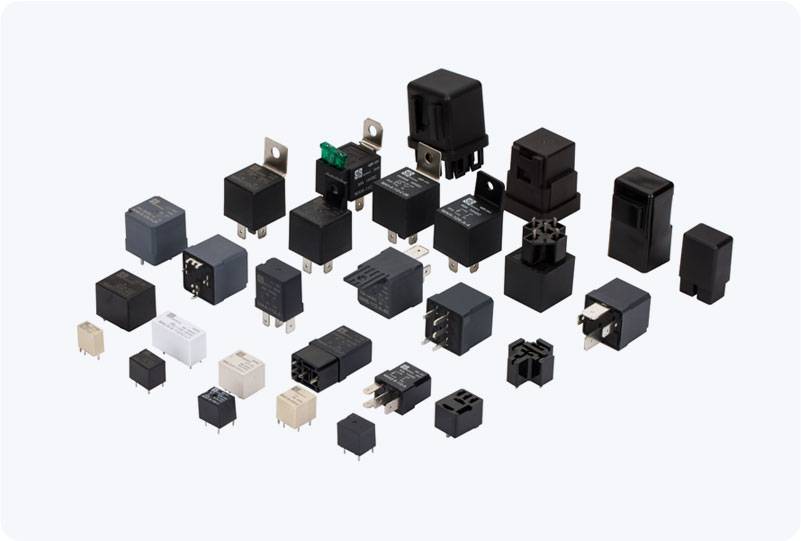
Understanding PCB Electromagnetic Relays A PCB electromagnetic relay is a type of relay designed to be mounted directly onto a printed circuit board (PCB). It uses an electromagnet to control the opening and closing of electrical contacts, allowing it to switch high-voltage or high-current circuits with a relatively low-power control signal. This relay typically consists of a coil (electromagnet), a movable armature, and one or more sets of contacts that can either open or close depending on the energizing of the coil. The working principle behind the PCB electromagnetic relay is based on the concept of electromagnetic induction. When an electric current flows through the coil, it generates a magnetic field. This magnetic field attracts the armature, which moves to close or open the contacts. The armature’s motion effectively switches the circuit, allowing or interrupting the flow of electricity. When the current is turned off, the magnetic field collapses, and the armature returns to its original position, resetting the relay.