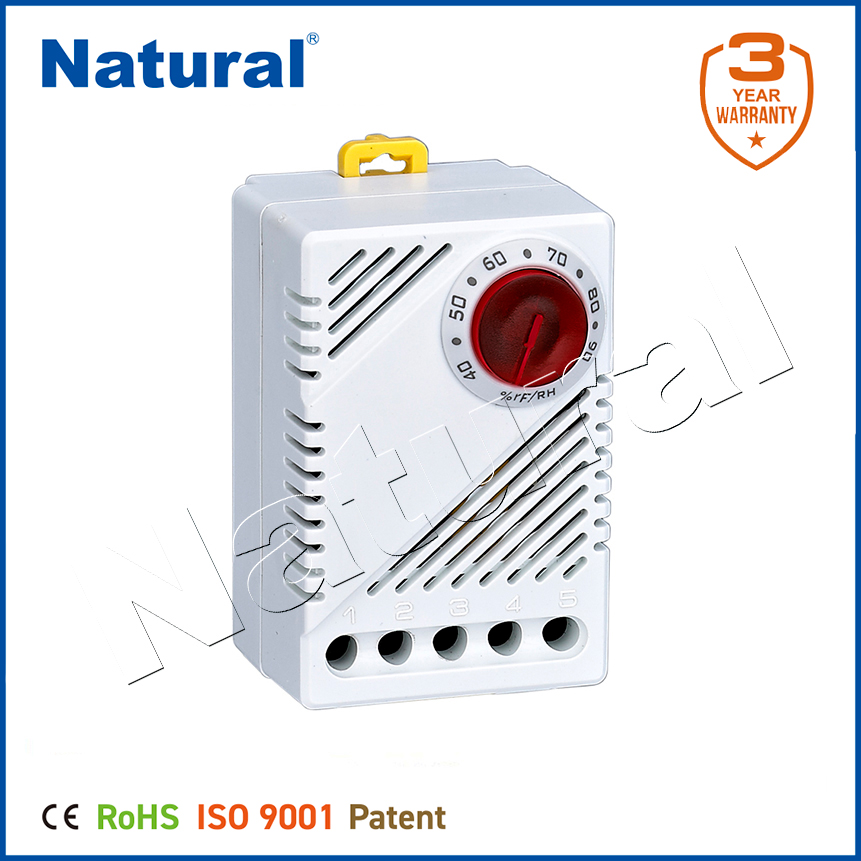
An Electronic Hygrostat is an essential device designed to monitor and regulate the relative humidity levels within a given environment. With the increasing need for precise environmental control in various sectors, from residential to industrial applications, the electronic hygrostat has become an indispensable tool. This article delves into the functionalities, benefits, and wide-ranging uses of the electronic hygrostat, showcasing its importance in maintaining optimal conditions for both human comfort and product integrity.
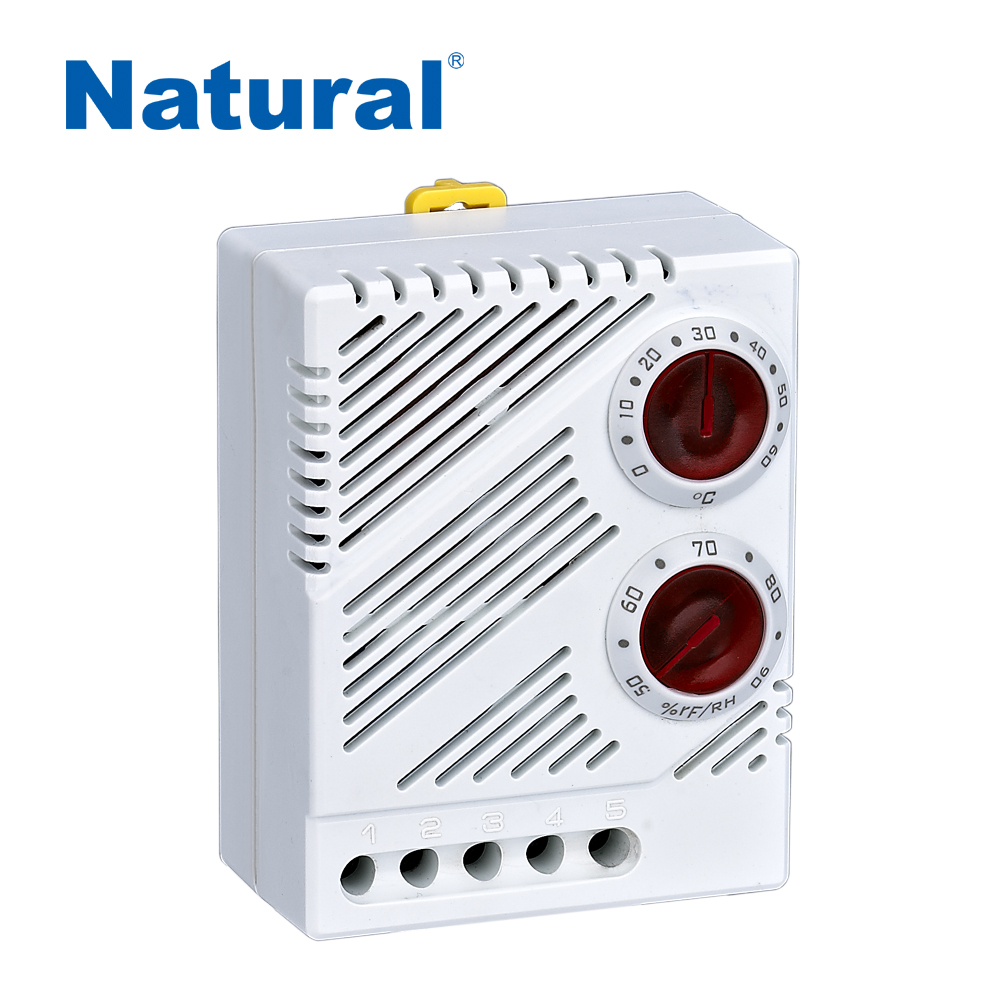
What is an Electronic Hygrostat?
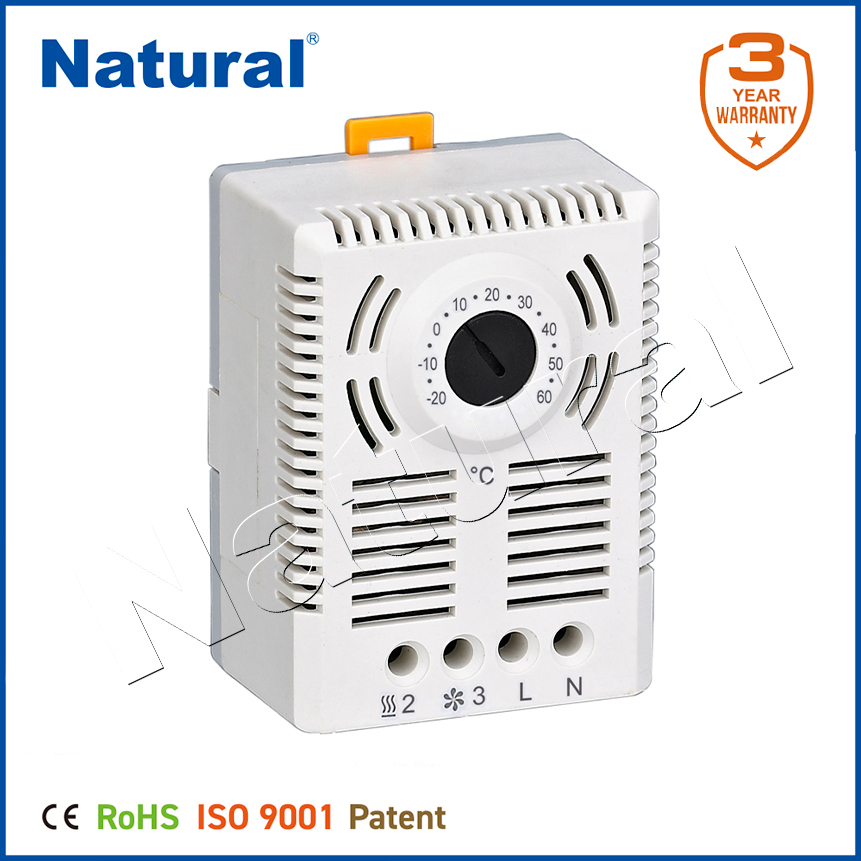
The electronic hygrostat is a digital instrument used for detecting and controlling the humidity levels in an environment. It functions similarly to a thermostat but specifically targets humidity rather than temperature. Equipped with humidity sensors, it continuously measures the moisture content in the air and activates or deactivates connected devices such as humidifiers or dehumidifiers to maintain the preset humidity range. Typically, the electronic hygrostat consists of three main components: a humidity sensor, a control circuit, and an output mechanism. The sensor detects the relative humidity, the control circuit processes this data against the desired set point, and the output mechanism operates the equipment to either add moisture to the air (via a humidifier) or remove excess moisture (via a dehumidifier).