A DC Solenoid Valve is an essential component widely used across numerous mechanical, industrial, and automated systems. Unlike an AC solenoid valve, which runs on alternating current, the DC solenoid valve operates on direct current, commonly 6V, 12V, or 24V. Its precise control characteristics, reliable switching behavior, and energy-efficient nature have made it indispensable in modern engineering. To fully appreciate its role, we must explore its working principle, design structure, performance features, and areas of application.
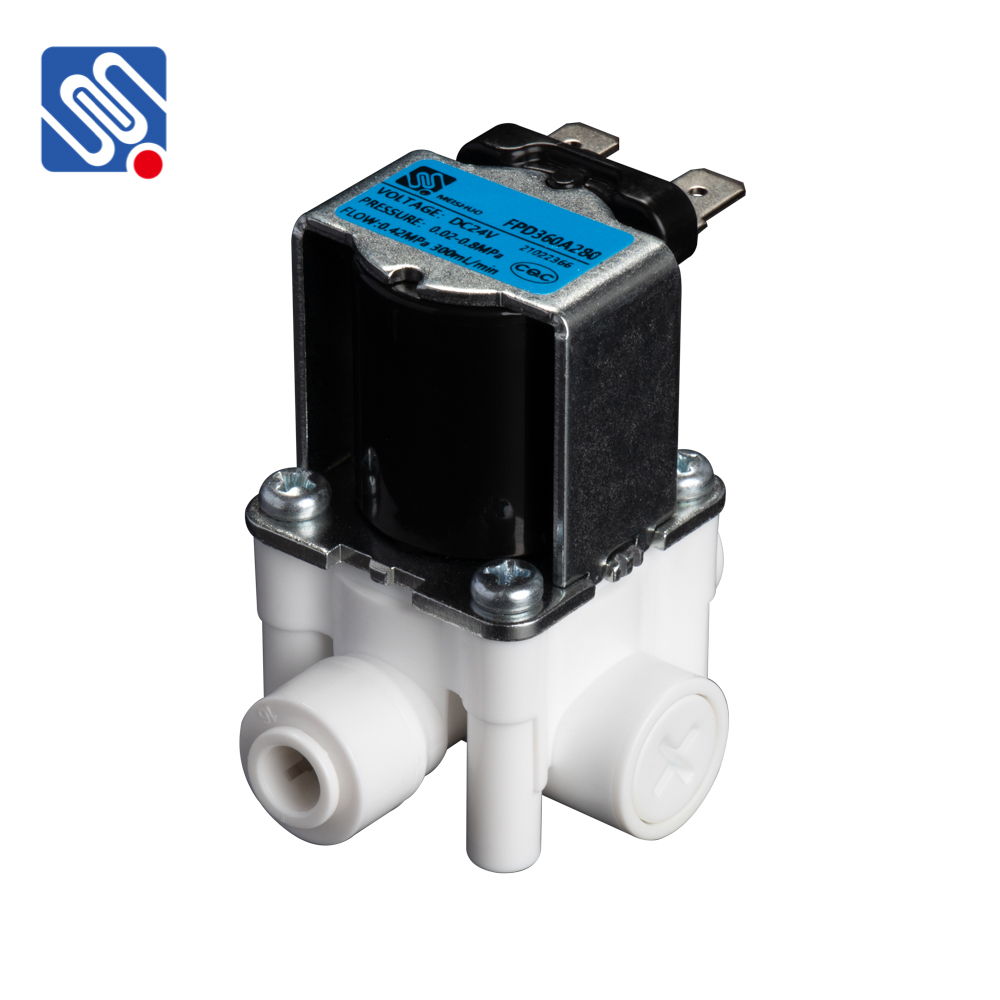
At its core, a DC solenoid valve is used to control the flow of liquids or gases. It relies on electromagnetic induction to open or close the valve mechanism. When voltage is applied to the coil, current flows through the copper windings and forms a magnetic field. This magnetic force draws in the plunger or armature, changing the valve’s state. When the power supply is disconnected, a spring mechanism returns the plunger to its original position. This simple yet effective action allows rapid and precise control of fluid passage. Depending on the system’s requirements, the DC solenoid valve can be categorized into normally closed (NC) and normally open (NO) types. In a normally closed valve, the passage remains shut until energized; in a normally open valve, the fluid flows freely until a current is applied.