Tagout is an essential safety protocol used in various industries to protect workers from the dangers of accidental machine start-ups during maintenance, repair, or servicing tasks. This procedure, part of the Lockout/Tagout (LOTO) safety program, aims to prevent injuries caused by the unexpected release of hazardous energy or the inadvertent activation of equipment. In this article, we will explore the significance of Tagout, how it works, and the benefits it brings to workplace safety.
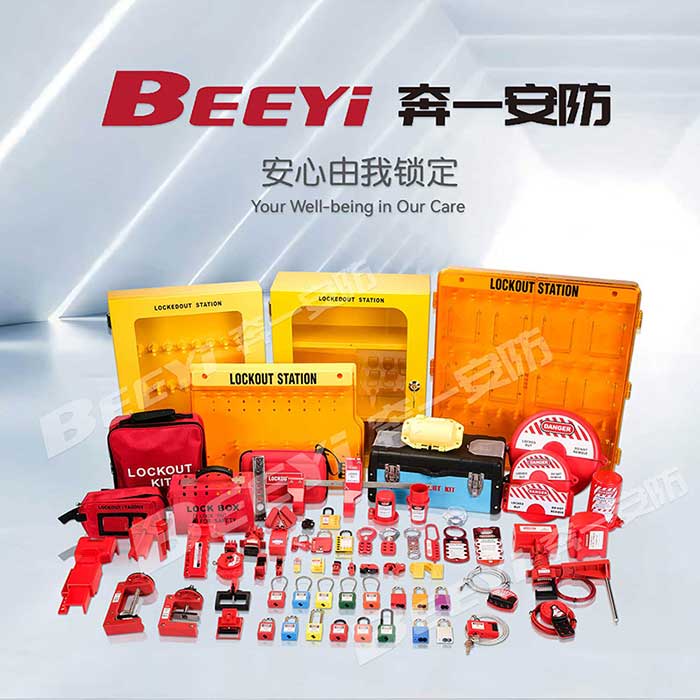
What is Tagout? Tagout is a safety procedure used to ensure that machinery or equipment is properly de-energized and cannot be operated while maintenance or repair activities are taking place. Unlike lockout, which involves physically locking off the energy source, Tagout requires the placement of a warning tag on the equipment’s energy-isolating device. This tag serves as a visual signal to workers that the equipment is not to be operated or restarted until maintenance is complete and it is safe to do so. How Does Tagout Work? Tagout procedures are typically part of a broader Lockout/Tagout (LOTO) program, which focuses on controlling hazardous energy during service and maintenance activities. Here’s how Tagout typically works: