Relays are vital components in electrical and electronic systems. They serve as electrically operated switches, enabling the control of high-current devices with low-power control circuits. However, like any electrical component, relays can encounter problems. Understanding how to troubleshoot relay issues is essential for maintaining the reliability of systems that rely on them. This article outlines key steps and methods for effectively troubleshooting relays.
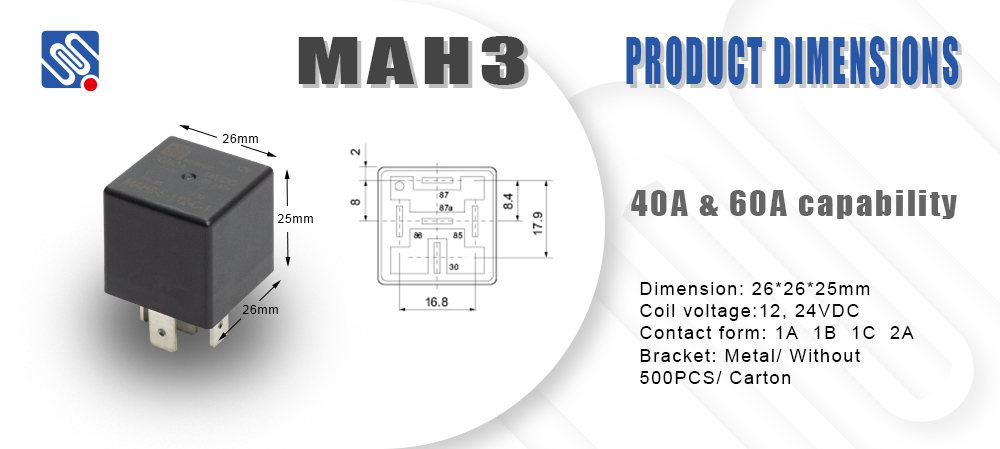
Understanding Relays and Their Role A relay operates by using an electromagnet to open or close a set of contacts. When voltage is applied to the coil, it generates a magnetic field that moves an armature, causing the contacts to either open or close. This simple mechanism allows relays to control devices that require higher current or voltage than what the control circuit can provide. Relays are used in various applications, including automotive systems, industrial machinery, and home appliances. When relays malfunction, they can cause significant operational issues, such as failure to activate a system or cause power outages.