Latching relays are a fundamental component in modern electronics, offering numerous benefits in both power efficiency and reliability. Unlike standard relays, which require continuous electrical power to maintain their state, latching relays “latch” into one of two positions when triggered by a pulse and can remain in that position without continuous power. This unique property makes them highly efficient and suitable for a variety of applications, from industrial automation to home automation systems.
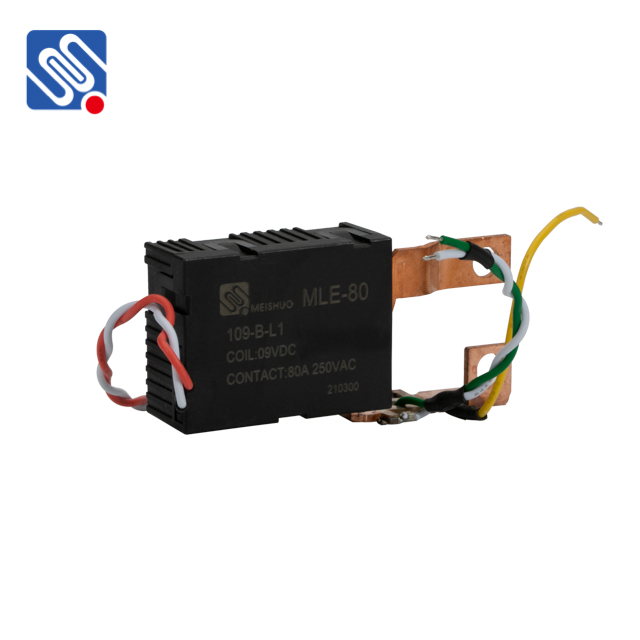
What is a Latching Relay? A latching relay, also known as a bistable relay, is a type of electromagnetic relay that maintains its state after being actuated by a signal pulse. In simpler terms, a latching relay can remain in its current position (either open or closed) without needing a continuous power supply to keep it in place. It operates with a pair of control signals: one for setting the relay (typically turning it on) and one for resetting it (turning it off). When a pulse is applied, it shifts between two states — set or reset — and will remain in the state until another pulse is applied to change it.