In the world of automotive engineering, the automotive relay for headlights plays a crucial role in ensuring that vehicle lighting systems work efficiently and safely. Although often overlooked, this small yet powerful component is integral to the proper functioning of headlights. It serves as a gateway between the low-current control circuit and the high-current power needed to operate the headlights. In this article, we will explore the functionality, benefits, and importance of automotive relays in headlight systems, providing a deeper understanding of their role in modern vehicles.
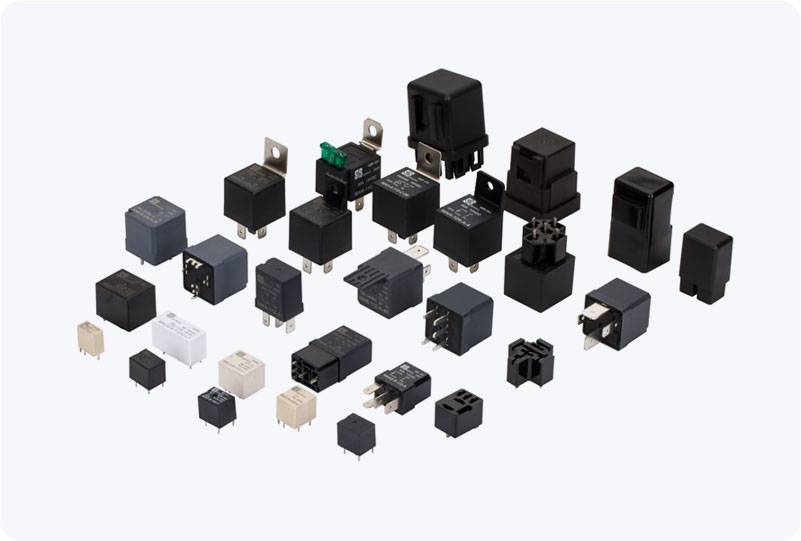
What Is an Automotive Relay for Headlights? An automotive relay for headlights is an electrical device used to switch the power supply to the headlights of a vehicle. It functions as an intermediary between the headlight switch and the headlights themselves. The relay is typically a small, compact unit with an electromagnetic coil and switch mechanism inside. When a low-current signal is sent from the headlight switch, it activates the relay’s electromagnetic coil, causing the internal switch to close and allow a higher current to flow to the headlights. By using the relay, the headlight circuit is effectively isolated from the vehicle’s control switch. This prevents the headlight switch from being exposed to the large amount of electrical current needed to power the headlights, ultimately extending the lifespan of the switch and the wiring.