Vacuum Arc Extinguishing Relay (VAE) is a crucial component in modern electrical power systems, particularly in the protection of high-voltage circuits. These relays utilize the unique properties of vacuum technology to extinguish arcs generated during circuit interruption, ensuring the safe and reliable operation of electrical networks. With the increasing demand for high-voltage electrical systems, the role of VAE in preventing damage to equipment, reducing maintenance costs, and improving operational efficiency is more important than ever.
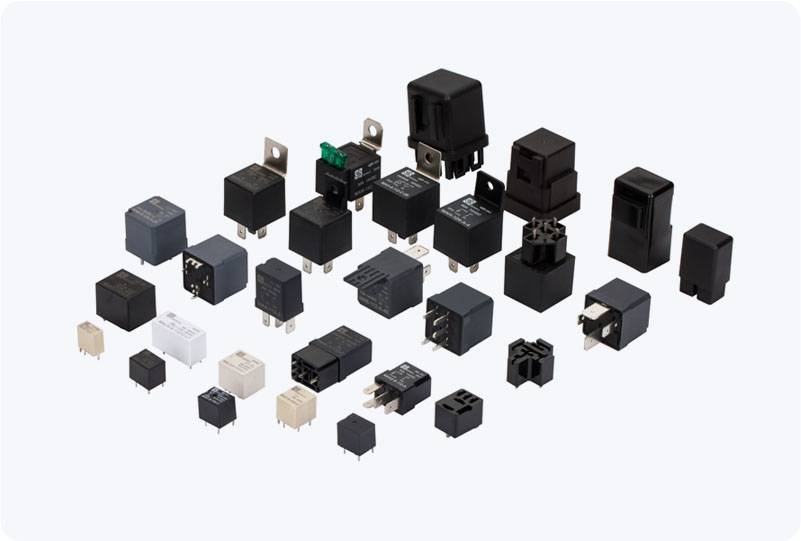
Working Principle of Vacuum Arc Extinguishing Relay At its core, a Vacuum Arc Extinguishing Relay functions to rapidly interrupt electrical circuits when a fault, such as a short circuit or overload, is detected. When the contacts of the relay separate, an electric arc may form due to the high voltage and current present in the circuit. This arc needs to be extinguished quickly to prevent damage to the relay contacts and to maintain the stability of the electrical system. Unlike traditional arc extinguishing technologies that rely on air, oil, or gas, a VAE uses a vacuum as the arc-quenching medium. The absence of gas or air in the vacuum prevents the ionization of particles, which makes it much harder for the arc to sustain itself. As the contacts of the relay open, the arc forms and is immediately extinguished due to the vacuum’s high dielectric strength. The arc is unable to persist as it does in other environments, leading to quicker circuit interruption and minimal damage to the relay and the circuit.