In the modern age, the ability to control devices and systems remotely has become a fundamental aspect of technology. One such device that has gained significant importance is the Remote Control Relay. This versatile tool plays a crucial role in simplifying the control of high-power electrical devices and systems from a distance. In this article, we will explore the various functions, benefits, and applications of Remote Control Relays, along with how they contribute to both safety and efficiency in different fields.
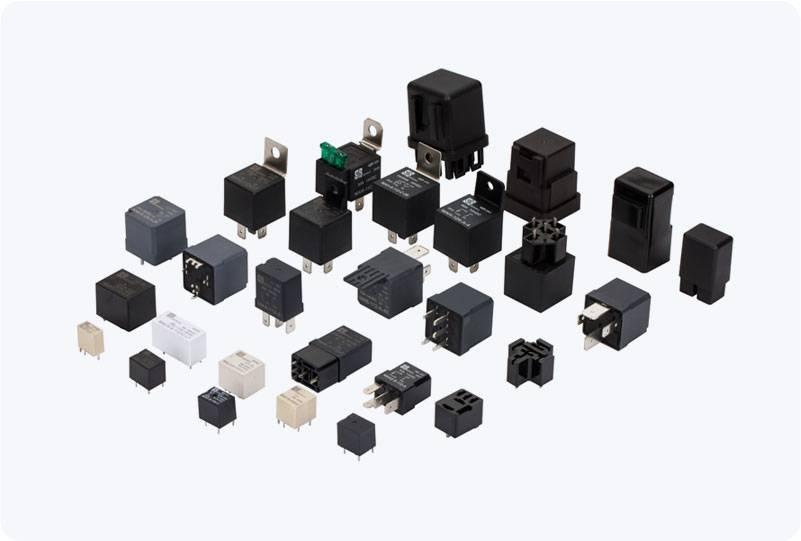
What is a Remote Control Relay? A Remote Control Relay is an electrical component that allows the control of an electrical circuit from a distance, typically using signals like radio frequency (RF), Wi-Fi, Bluetooth, or infrared. The relay acts as a switch that can either turn on or off a connected device, such as lights, fans, motors, or even more complex machinery, based on the received signal. This enables users to manage these devices without the need to be physically present. How Does It Work? At its core, a Remote Control Relay consists of a transmitter (usually a remote control, smartphone app, or control panel) and a receiver (the relay itself). The transmitter sends a specific signal to the receiver, which then activates or deactivates the relay, thus controlling the electrical circuit connected to the device.