In industries where machinery and equipment are integral to daily operations, ensuring worker safety is paramount. One of the key safety practices that protect workers from accidents is the Lockout/Tagout (LOTO) procedure. LOTO equipment plays a crucial role in this process, helping to prevent accidental machine startups or the release of hazardous energy during maintenance or repair work. This article delves into the importance of LOTO equipment, its components, and how it helps create a safer work environment.
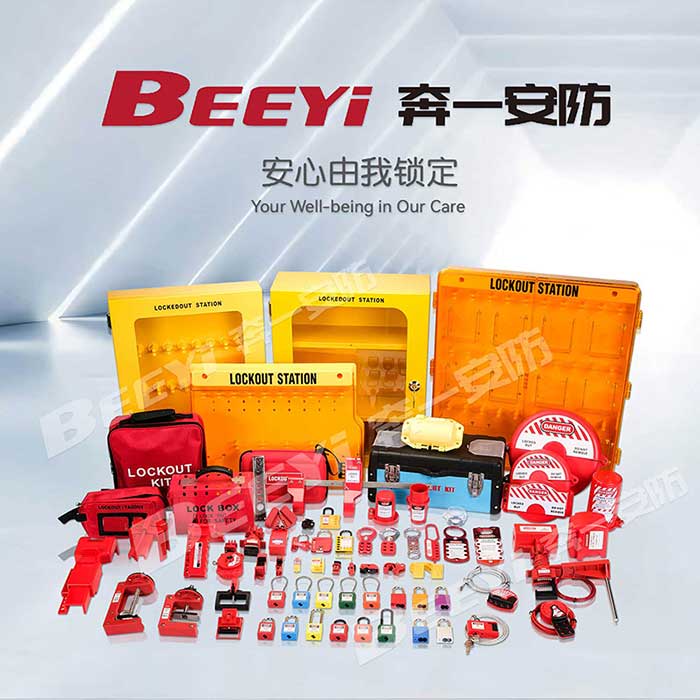
What is LOTO Equipment? LOTO equipment refers to the tools and devices used during the Lockout/Tagout procedure, a safety protocol designed to control hazardous energy sources in industrial environments. The purpose of LOTO is to ensure that machinery remains safely inoperative while maintenance or repairs are being conducted, preventing accidental activation that could cause injury or even death. The primary components of LOTO equipment include lockout devices, tagout devices, and energy-isolating devices. These tools work together to isolate energy sources, lock them in a safe state, and inform workers about the status of the equipment. The essential function of LOTO equipment is to provide a physical barrier that prevents machines from being inadvertently started or releasing dangerous energy during maintenance.