Relays are fundamental components in electrical control systems, and the 24V DC Industrial Relay is one of the most commonly used types in industrial automation. These relays serve a vital purpose by enabling the control of high-power circuits using a low-power signal, making them indispensable in a wide variety of applications. This article explores the features, workings, and uses of the 24V DC Industrial Relay, shedding light on its importance in modern industrial control systems.
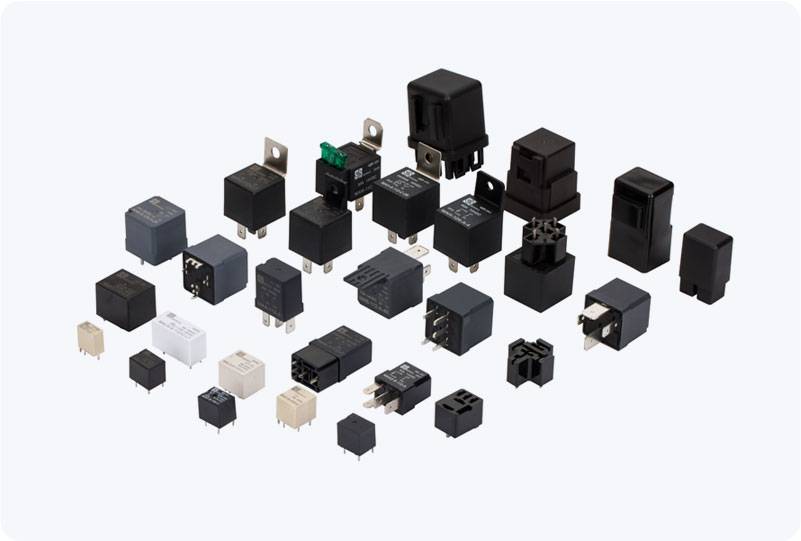
What is a 24V DC Industrial Relay? A relay is an electromechanical switch that opens or closes a circuit in response to an electrical signal. The 24V DC Industrial Relay specifically operates with a 24V direct current input, often utilized in industrial environments where low-voltage control signals are used to manage higher-voltage circuits. The primary function of a relay is to control the flow of electricity in a circuit without requiring direct interaction with the high-power side, thus providing electrical isolation between the control and load circuits. How Does a 24V DC Industrial Relay Work?