In modern electrical systems, safety is paramount. Whether in industrial plants, hospitals, or commercial buildings, the integrity of electrical installations plays a critical role in preventing accidents such as electrical fires or electric shocks. A key component in maintaining this safety is the Insulation Monitoring Relay (IMR), a device designed to monitor the insulation status of an electrical system and provide early warnings about potential faults.
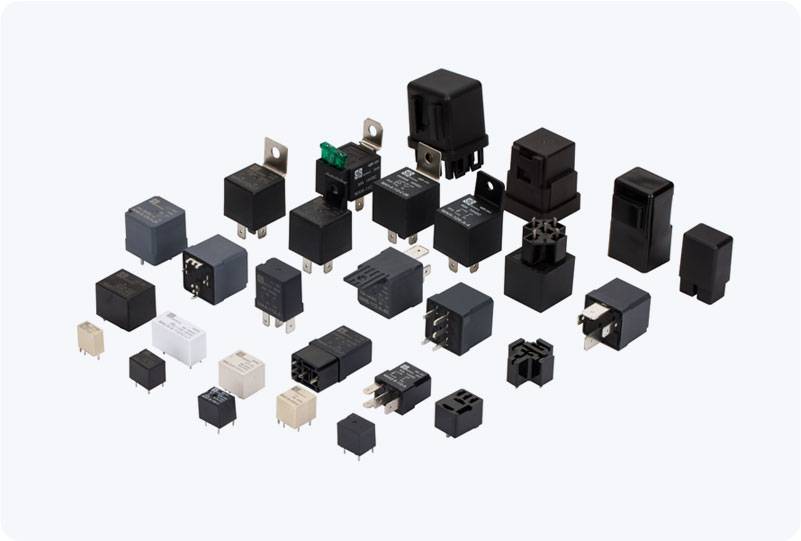
What is an Insulation Monitoring Relay? An Insulation Monitoring Relay (IMR) is an electrical protection device used to continuously check the insulation resistance of an electrical installation. The main purpose of the IMR is to detect any degradation or failure in the insulation, which can lead to short circuits, electric shocks, or even fires. It is especially crucial in ungrounded (IT) electrical systems, where there is no direct connection to the earth, making insulation integrity even more important. The Functionality of Insulation Monitoring Relay The core function of the IMR is to monitor the insulation resistance between the system’s live conductors and the ground. The relay works by applying a test voltage to the system and measuring the insulation resistance. If the resistance falls below a predetermined threshold, it indicates that the insulation is compromised and may fail completely. In such a case, the IMR sends a warning signal to alert the system operator or triggers an alarm to initiate a safety response.