In modern fluid control systems, the low voltage solenoid valve plays an essential role in regulating the flow of gases and liquids across various industries. This compact device leverages electromagnetic action to control the opening and closing of valve mechanisms, offering a versatile solution for numerous applications. As technology progresses and the need for efficient, safe, and compact control systems increases, the popularity of low voltage solenoid valves has surged. This article will explore their working principles, benefits, applications, and considerations for selecting and using them.
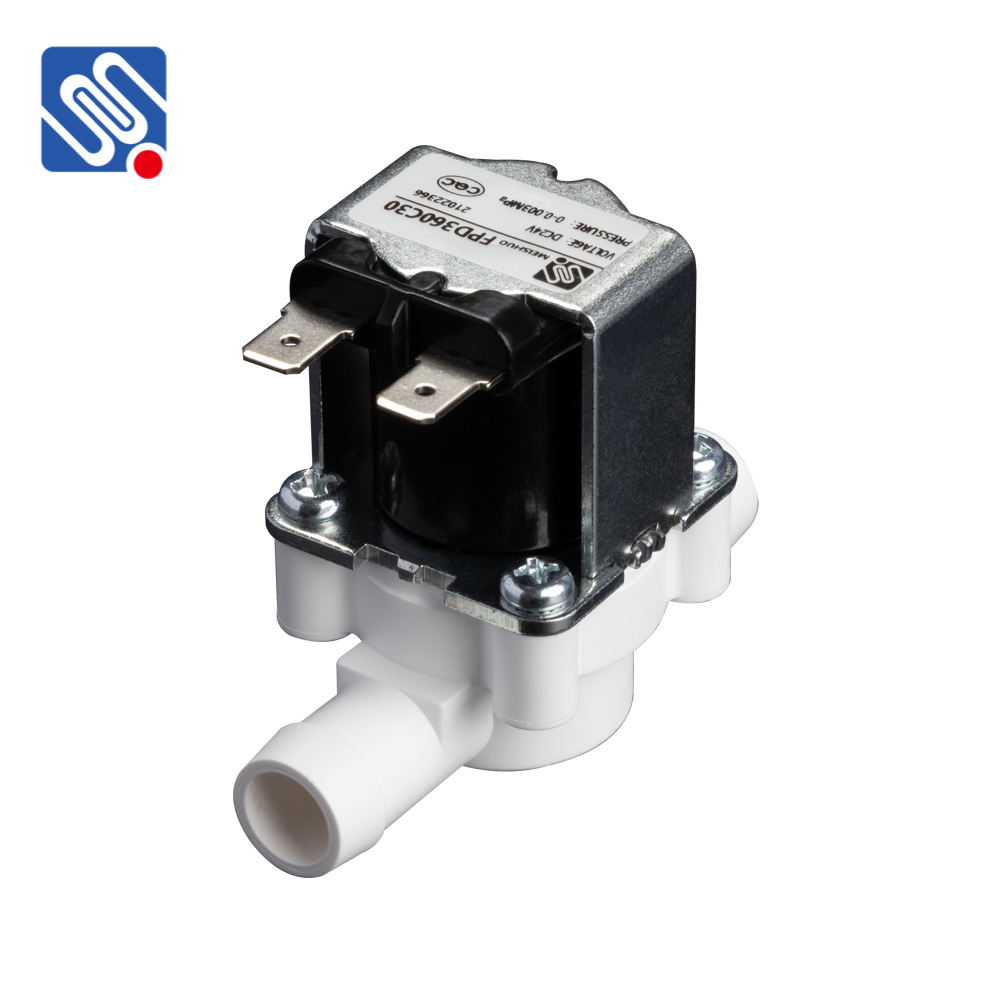
Working Principles At its core, a low voltage solenoid valve operates based on the principles of electromagnetism. The valve consists of a solenoid—a coil of wire that generates a magnetic field when an electrical current passes through it—and a valve seat that controls fluid flow. The operation is typically binary; the valve can be in either an open or closed state. When the coil is energized, the resultant magnetic field attracts a movable armature or plunger within the valve, leading it to either open or close the valve seat. In normally closed valves, energizing the coil allows fluid to flow through, while in normally open valves, energizing the coil halts fluid flow. This simplicity in design coupled with quick response times makes low voltage solenoid valves ideal for various applications requiring precise control.
Leave a Reply