Relay drive plays a crucial role in modern electrical control systems, allowing low-power devices to control high-power circuits with ease. This technology is fundamental in various applications, from home appliances to industrial automation, and offers both efficiency and safety in managing electrical connections. In this article, we will explore the working principle, advantages, and applications of relay drive systems.
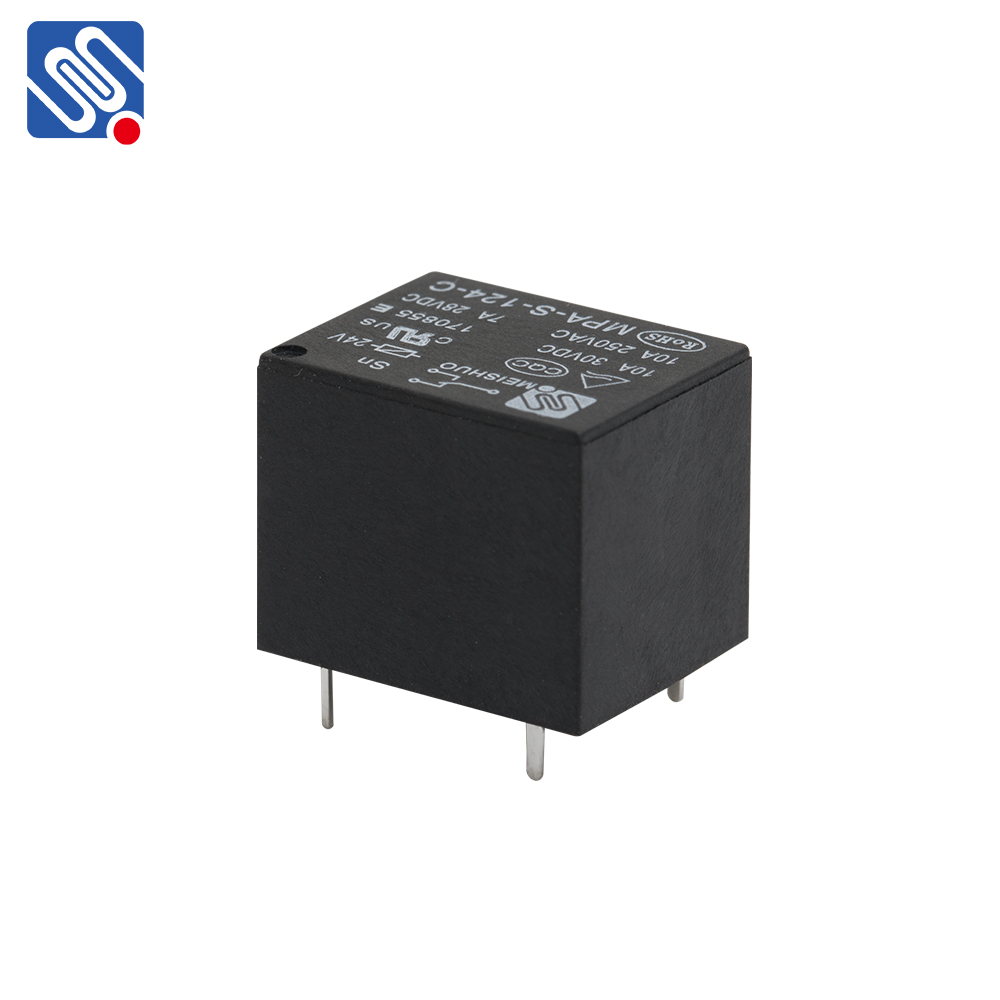
What is a Relay Drive? A relay drive is essentially a method of controlling electrical circuits using a relay, which is an electrically operated switch. Relays use a small electrical current to control the switching of larger currents, enabling the operation of high-power devices such as motors, lights, and other industrial machinery. The key feature of a relay drive system is its ability to provide electrical isolation between the controlling circuit and the high-power load circuit. Relays consist of an electromagnet, a set of contacts, and a spring mechanism. When a small control signal is applied to the electromagnet, it activates and pulls the contacts together, allowing the electrical current to flow through the load. Once the control signal is removed, the spring mechanism pushes the contacts back to their original state, interrupting the current flow.