Industrial motor systems play a vital role in driving machinery and equipment across a wide range of industries. From manufacturing plants to automation systems, electric motors are at the heart of many industrial processes. To ensure these motors operate efficiently, safely, and reliably, Industrial Power Relays for Motor Control are crucial components. These relays not only control the power supply to the motor but also protect it from damage due to electrical faults or overloads. In this article, we will explore the key features, functions, and benefits of these relays in motor control applications.
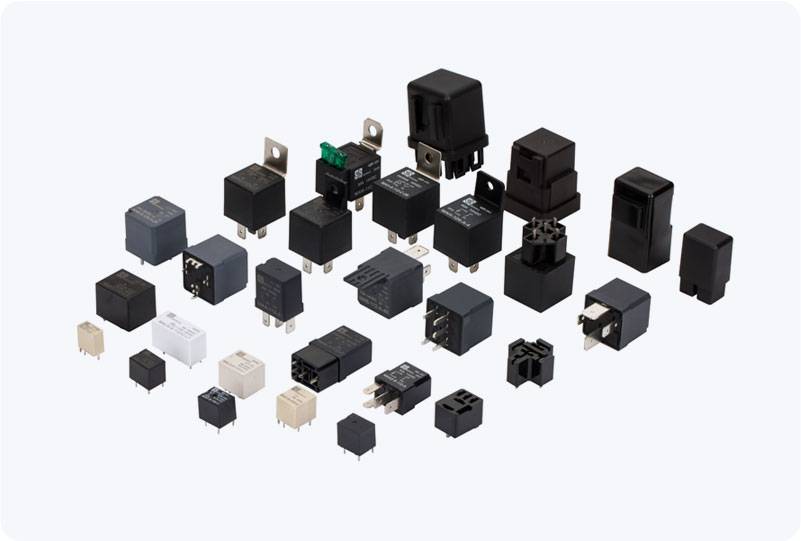
What Is an Industrial Power Relay for Motor Control? An industrial power relay for motor control is an electrical device designed to control and protect electric motors in industrial environments. It acts as a switch that regulates the power flow to the motor based on the control inputs. These relays are equipped with multiple contacts that allow for on/off switching, overload protection, reverse motor direction control, and more, depending on the complexity of the system. Industrial power relays are typically used for controlling AC (alternating current) and DC (direct current) motors, particularly in applications where reliability and efficiency are critical. They are an essential part of motor starter circuits and automation systems, providing both manual and automatic control over motor operations.