Lockout hasps are integral components in maintaining safety protocols within industrial settings, especially during maintenance and servicing operations. The China Lockout Hasps factory plays a pivotal role in producing these essential safety devices, contributing to workplace security across various sectors. This article delves into the importance of lockout hasps, the manufacturing process in China, and the global significance of these products in ensuring safe and regulated operations.
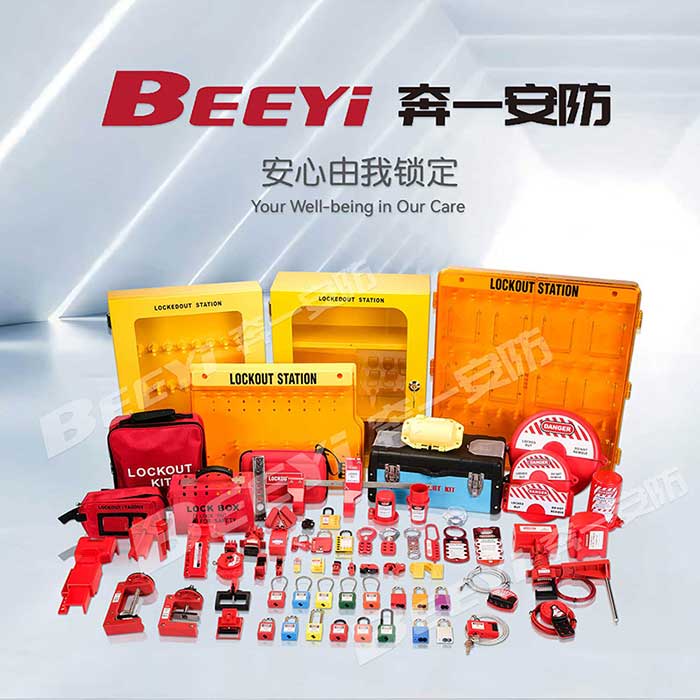
The Importance of Lockout Hasps Lockout hasps are designed to prevent accidental machine startup during maintenance procedures. When equipment needs to be serviced or repaired, lockout devices are employed to secure the power supply, ensuring that the machinery cannot be turned on while it is being worked on. This practice is part of a broader safety strategy called Lockout/Tagout (LOTO), which is mandated by regulatory bodies such as the Occupational Safety and Health Administration (OSHA) in the United States. Lockout hasps are crucial for several reasons. They promote safety by preventing injuries caused by accidental machine activation. They also reduce the risk of equipment damage, ensuring that technicians can perform maintenance tasks without worry. In many cases, lockout hasps are used in combination with locks and tags that identify who is working on a particular piece of equipment, offering both physical security and accountability.