A Starter Motor Relay is an essential component of a vehicle’s starting system, often overlooked but incredibly important for the efficient and safe operation of an engine. While the vehicle’s ignition system may seem like a simple sequence of events, the relay plays a crucial role in controlling high currents that are necessary for starting the engine. This article will explore the function, components, and importance of the starter motor relay, along with common problems and troubleshooting tips.
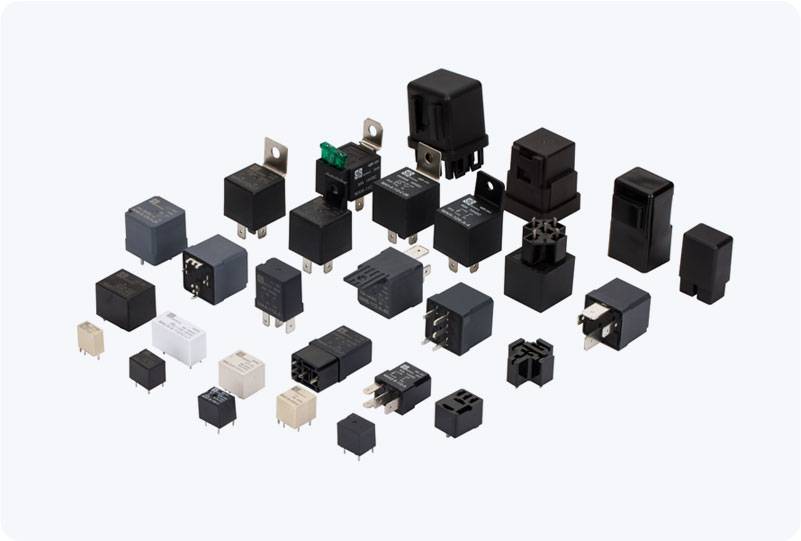
What is a Starter Motor Relay? A starter motor relay is an electromagnetic switch that allows a low current from the ignition key to control a much higher current that flows to the starter motor. The starter motor, which requires a significant amount of electrical power (typically 100 to 150 amps), is not directly controlled by the ignition switch due to the risk of damaging delicate components with such a high current. Instead, the relay acts as a bridge, amplifying the small current from the ignition switch to trigger the larger current that powers the starter motor. How Does a Starter Motor Relay Work?