In today’s industrial and workplace environments, safety is a paramount concern. Workers, managers, and safety officers alike are tasked with ensuring that every precaution is taken to minimize the risk of injury or accidents. One crucial tool in achieving this goal is the Safety Padlock, which plays a significant role in protecting workers and ensuring a safe working environment. This article explores the importance of Safety Padlocks, their applications, features, and how they contribute to a robust safety system.
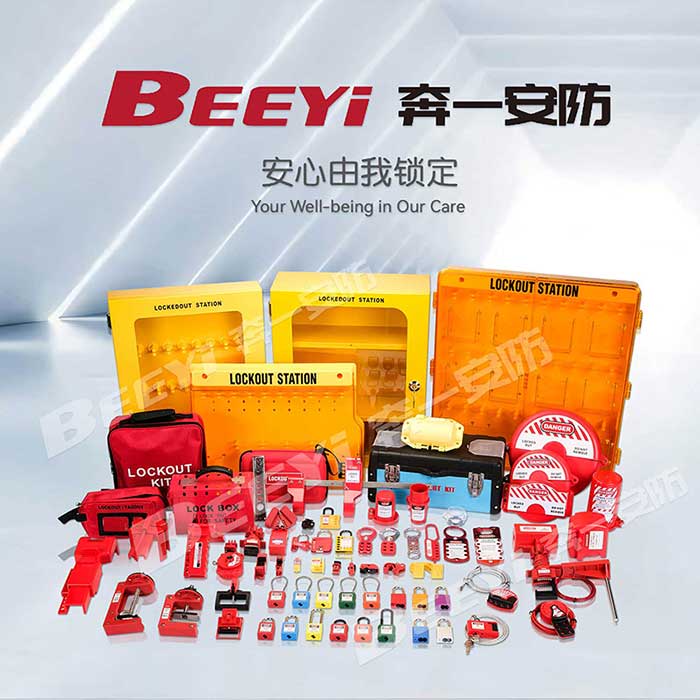
What is a Safety Padlock? A Safety Padlock is a locking device specifically designed to secure equipment, machines, or electrical systems during maintenance, repair, or service work. The primary function of a Safety Padlock is to prevent unauthorized personnel from accidentally activating machinery or electrical systems while they are being worked on. This is crucial because unexpected machine start-ups can cause serious injuries or even fatalities. Safety Padlocks are commonly used in Lockout/Tagout (LOTO) procedures, which are a set of safety protocols to control hazardous energy during maintenance and servicing of machinery and equipment. These locks ensure that the equipment remains in a safe state while being serviced, protecting maintenance workers from electrical shock, mechanical injury, or exposure to hazardous chemicals.