Electric vehicles (EVs) are rapidly becoming a preferred mode of transportation due to their sustainability, reduced carbon footprint, and lower operational costs. One of the essential components that ensures the safety, performance, and longevity of EVs is the EV Battery Relay. While the battery is undoubtedly the heart of an electric vehicle, the relay plays a pivotal role in managing the battery’s connection to the rest of the vehicle’s systems. This article aims to explore the importance of EV battery relays, their functionalities, and the key aspects of their design and operation.
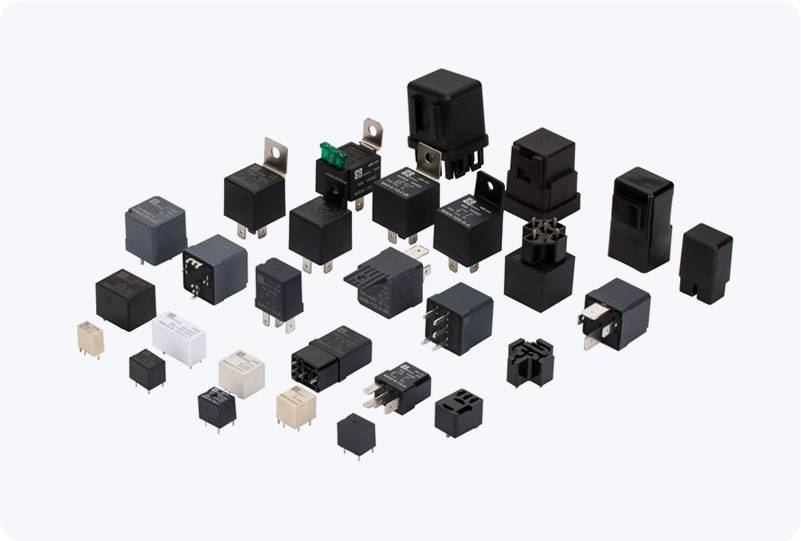
What is an EV Battery Relay? An EV Battery Relay is an electrical switch that connects and disconnects the battery from the vehicle’s electrical system. It is crucial for controlling the flow of electricity between the battery and other parts of the EV, such as the powertrain, charging system, and auxiliary systems. The relay helps in maintaining the optimal functioning of the battery, protecting it from damage, and enhancing the overall efficiency of the vehicle. At its core, a relay operates as a switch that opens or closes a circuit in response to a control signal. In the case of an EV, the control signal is typically provided by the vehicle’s electronic control unit (ECU), which monitors factors such as battery health, temperature, and load conditions.