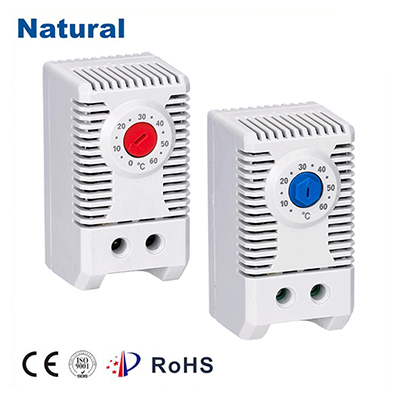
Bimetal thermostat thermostats are essential components in numerous electrical and mechanical systems, offering an effective and reliable method for temperature regulation. These devices are commonly found in household appliances, automotive systems, and industrial equipment, where precise temperature control is crucial to maintaining safe and optimal operating conditions. In this article, we will explore the principles of bimetal thermostat thermostats, their applications, and the benefits they offer in various industries.
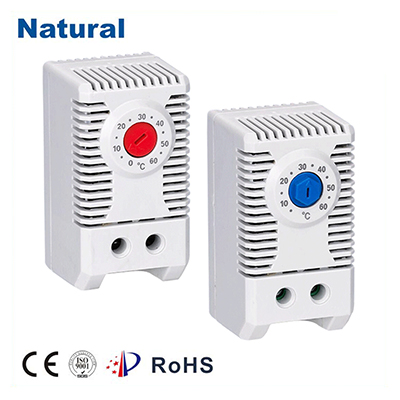
Principles of Bimetal Thermostat Thermostats
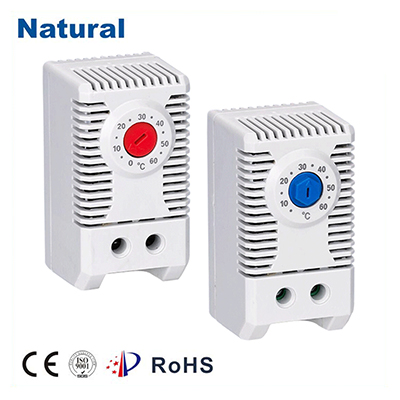
A bimetal thermostat consists of two different metals that are bonded together, typically with different coefficients of thermal expansion. This means that when the temperature changes, each metal expands or contracts at a different rate, causing the bimetallic strip to bend or warp. The key to the thermostat’s functionality lies in this bending motion, which triggers the opening or closing of an electrical circuit. As the temperature increases, the metal with the higher coefficient of expansion will grow faster than the other, causing the bimetallic strip to bend. This bending can be calibrated to open or close a switch that controls the power supply to a heating element or cooling system. Once the temperature reaches the preset threshold, the thermostat activates the switch, turning off the heating or cooling device to prevent overheating or overcooling.