A 24VDC relay is an essential component in many modern electronic and electrical systems. Relays are used for switching applications where a small input signal is used to control a larger output. The 24VDC relay operates on a 24-volt direct current and is typically employed in low-voltage circuits for various functions, including automation, control, and switching of different devices.
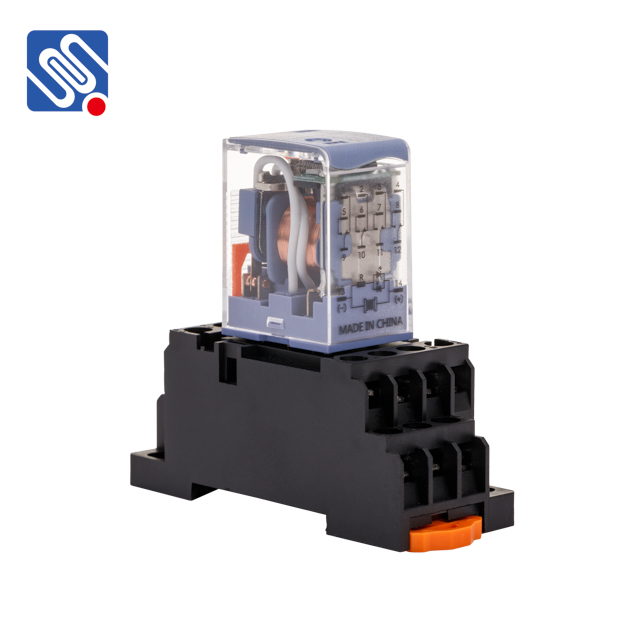
What is a 24VDC Relay? A 24VDC relay is an electrically operated switch that allows a circuit to be opened or closed without direct mechanical interaction. It consists of an electromagnetic coil that, when energized by a 24V DC voltage, creates a magnetic field to pull a movable armature. This armature in turn opens or closes a set of contacts that control the flow of electricity in the circuit. Essentially, the relay acts as a gatekeeper, controlling the power flow based on the electrical signals it receives. Working Principle of a 24VDC Relay The working of a 24VDC relay involves basic principles of electromagnetism. When a 24V DC voltage is applied to the relay’s coil, the coil generates a magnetic field. This magnetic field attracts a movable armature, causing it to shift positions and thus change the state of the contacts (either normally open to closed, or vice versa). The position of the contacts determines whether the circuit is energized or de-energized.