In industrial settings, safety is paramount, especially when dealing with heavy machinery, electrical systems, or hazardous processes. One of the most effective ways to ensure safety during maintenance, repairs, or inspections is through the use of safety lockout tags. These tags, used as part of a lockout/tagout (LOTO) procedure, play a crucial role in preventing accidents caused by the accidental release of hazardous energy. In this article, we will explore the purpose, features, benefits, and best practices associated with safety lockout tags.
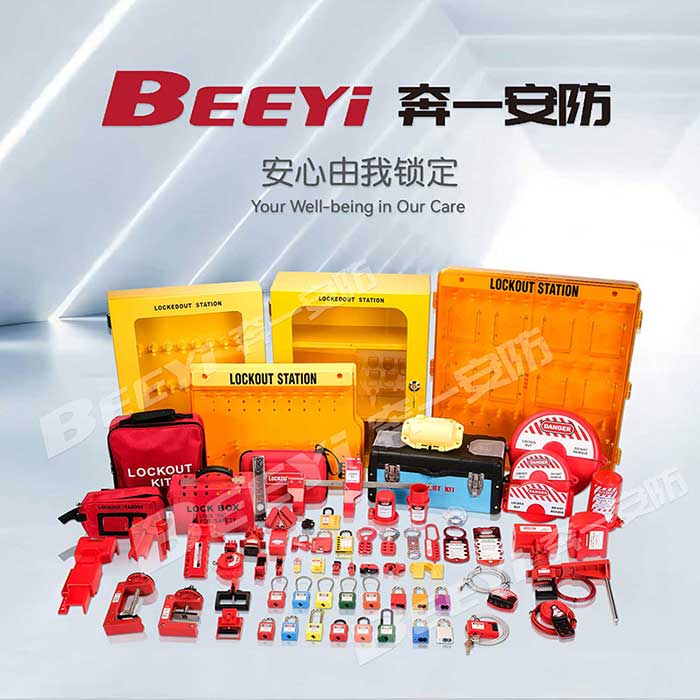
What Are Safety Lockout Tags? Safety lockout tags are warning devices used to signal that a piece of equipment or machinery is being serviced and should not be operated. These tags are typically attached to locks or lockout devices placed on control points of machinery, such as valves, circuit breakers, or switches. The tag provides critical information regarding the equipment’s status and informs workers of the ongoing maintenance work or hazards. The lockout/tagout procedure is a well-established safety practice aimed at isolating energy sources (such as electrical, mechanical, hydraulic, or pneumatic energy) to prevent them from accidentally being activated during maintenance. When combined with a physical lockout mechanism, the safety lockout tag ensures that unauthorized personnel do not operate the equipment while it is in a vulnerable state.