Ground Fault Protection Relays (GFPR) play a critical role in maintaining the safety and reliability of electrical systems. These devices are designed to detect and mitigate the dangers posed by ground faults, which can cause severe damage to electrical equipment, pose safety risks to personnel, and disrupt the overall operation of power networks. Understanding the function, application, and working principles of these relays is crucial for anyone involved in the design, maintenance, or operation of electrical systems. In this article, we will explore the essential aspects of Ground Fault Protection Relays and their importance in modern electrical infrastructure.
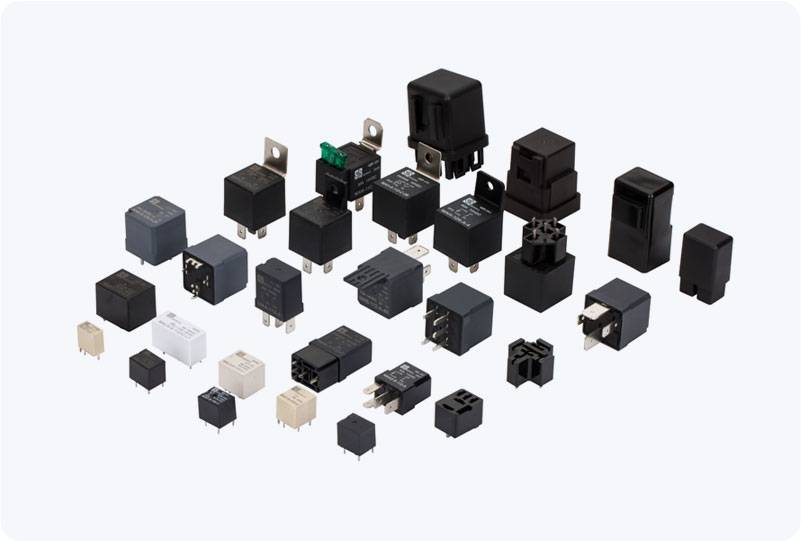
What is a Ground Fault Protection Relay? A Ground Fault Protection Relay is a protective device used to detect ground faults in electrical circuits. A ground fault occurs when an electrical current flows through an unintended path to the earth or ground, often due to insulation failure, wiring damage, or other issues in the electrical system. These faults can lead to equipment damage, fires, electric shocks, or even fatalities if not promptly addressed. The primary role of the GFPR is to detect any current leakage or imbalance between live conductors and ground. Once a fault is detected, the relay quickly triggers the circuit breaker to disconnect the affected part of the system from the power supply, thus preventing further damage or hazards.