Relay power supplies are vital components in a variety of modern electrical systems, from industrial control units to home automation setups. The concept of a relay power supply revolves around the use of electromagnetic relays to switch power on and off, providing an efficient and safe way to control high-power devices with low-power control signals. This article explores the working principles, applications, advantages, and challenges of relay power supplies in electrical systems.
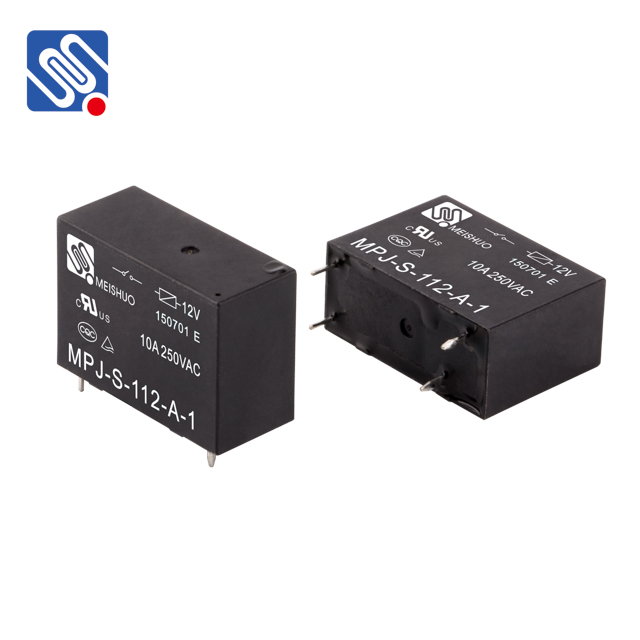
What is a Relay Power Supply? A relay power supply consists of a relay—a type of electrically operated switch—connected to a power source. The relay works by using an electromagnet to either open or close a set of contacts that control the flow of current through the power supply. This setup allows the relay to operate as a switch, turning the power on or off in response to control signals. Because the relay is electrically isolated from the control circuit, it enables the safe operation of devices that require high voltage or current, such as motors, lights, or heaters. How Does It Work?