Relays are essential components in electrical systems, acting as switches that open or close circuits in response to an input signal. They are widely used in automation, automotive, industrial, and household systems. However, like any electrical component, relays can fail over time or due to improper handling. Understanding how to troubleshoot relay problems is crucial for maintenance technicians and engineers. In this article, we will explore common relay issues and provide a step-by-step guide on how to effectively troubleshoot them.
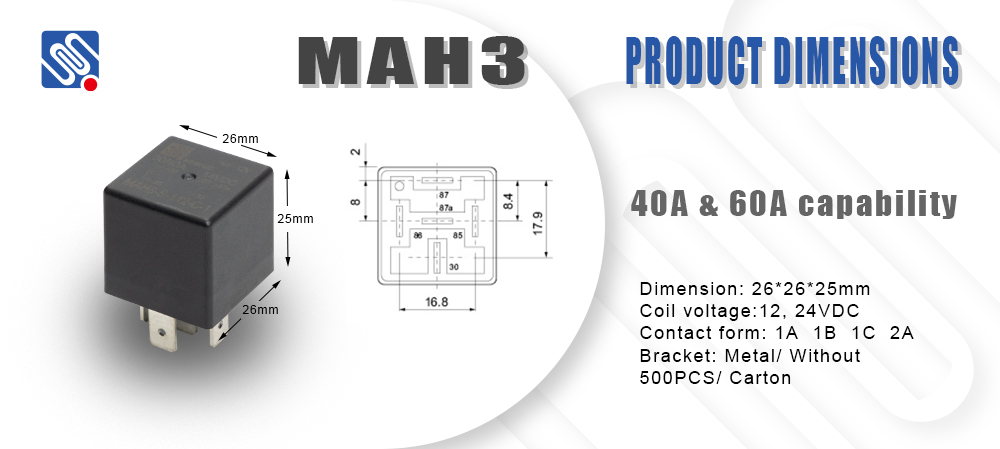
1. Understanding Relays and Their Common Failures Before diving into troubleshooting, it’s important to understand how relays work. A relay typically consists of a coil (electromagnet), a set of contacts, and a spring mechanism that moves the contacts when the coil is energized. The coil is activated by a low-power input, which controls the high-power contacts, enabling or disabling a circuit. Relay failures often occur due to one or more of the following reasons: Contact wear: Over time, relay contacts can become worn or corroded, leading to poor connections. Coil failure: If the coil is damaged or the voltage supplied is too high or too low, the relay will fail to activate.