In the world of electrical engineering, relays play a crucial role in automating and controlling electrical circuits. While standard relays are widely used in many applications, the latching relay, a special type of relay, offers unique benefits, especially in terms of energy efficiency and reliability. This article will explore the working principles, advantages, and applications of latching relays, as well as highlight how they differ from traditional relays.
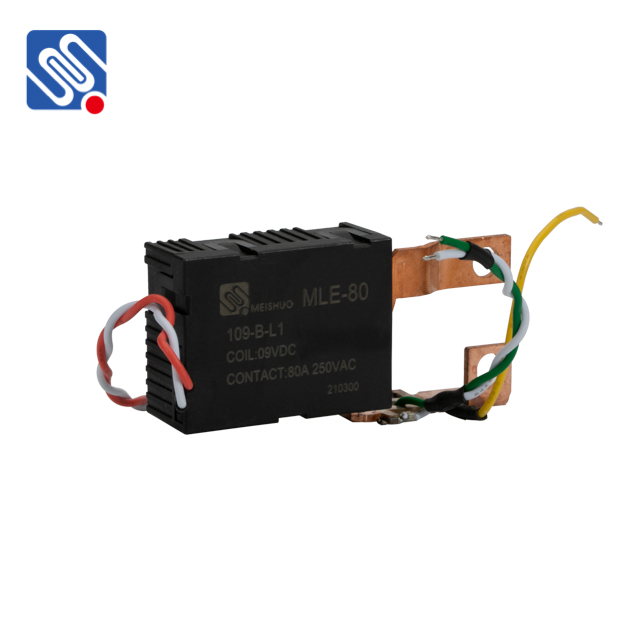
What is a Latching Relay? A latching relay is a type of relay that can maintain its position (either open or closed) even after the control power is turned off. Unlike regular relays, which require continuous power to remain in a particular state, a latching relay only requires a pulse of current to change its state. Once the state is changed, the relay “latches” into that position and does not need additional power to maintain it. This feature makes latching relays particularly suitable for low-power applications where energy consumption is a concern. How Does a Latching Relay Work?