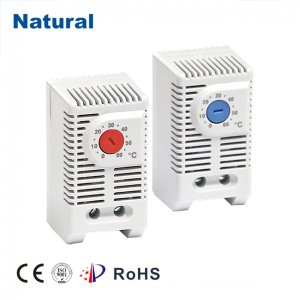
A Control Bimetal Thermostat Thermal Protector is a crucial device commonly used in various electrical and electronic appliances to safeguard against overheating and prevent potential damage. These thermal protectors are designed to control the temperature of a system by using a bimetallic strip that opens or closes a circuit based on temperature changes. This article explores the operation, applications, and benefits of the Control Bimetal Thermostat Thermal Protector, as well as its essential role in modern appliances and systems.
The Operating Principle
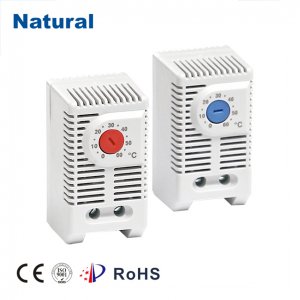
The basic functioning of a Control Bimetal Thermostat Thermal Protector revolves around the use of a bimetallic strip. This strip consists of two different metals with distinct coefficients of expansion. When the temperature rises, the bimetallic strip bends due to the difference in the expansion rates of the metals. This bending action either opens or closes a set of contacts within the thermostat, thus controlling the flow of electricity to the system. In normal operation, the protector maintains a steady connection, allowing the appliance to function efficiently. However, when the temperature exceeds a preset limit, the bimetallic strip bends to disconnect the electrical circuit, halting further operation and protecting the device from thermal damage. Once the system cools down to a safe temperature, the bimetallic strip returns to its original position, and the circuit is re-established, allowing the device to resume its normal function.