An AC Solenoid Valve is a vital component in many industrial and commercial systems, enabling the efficient control of fluid flow through the use of electromagnetic technology. These valves play a crucial role in regulating gases, liquids, and steam in a variety of applications, from HVAC systems to irrigation and manufacturing. This article will delve into the fundamentals of AC solenoid valves, their working principle, types, applications, and the benefits they provide.
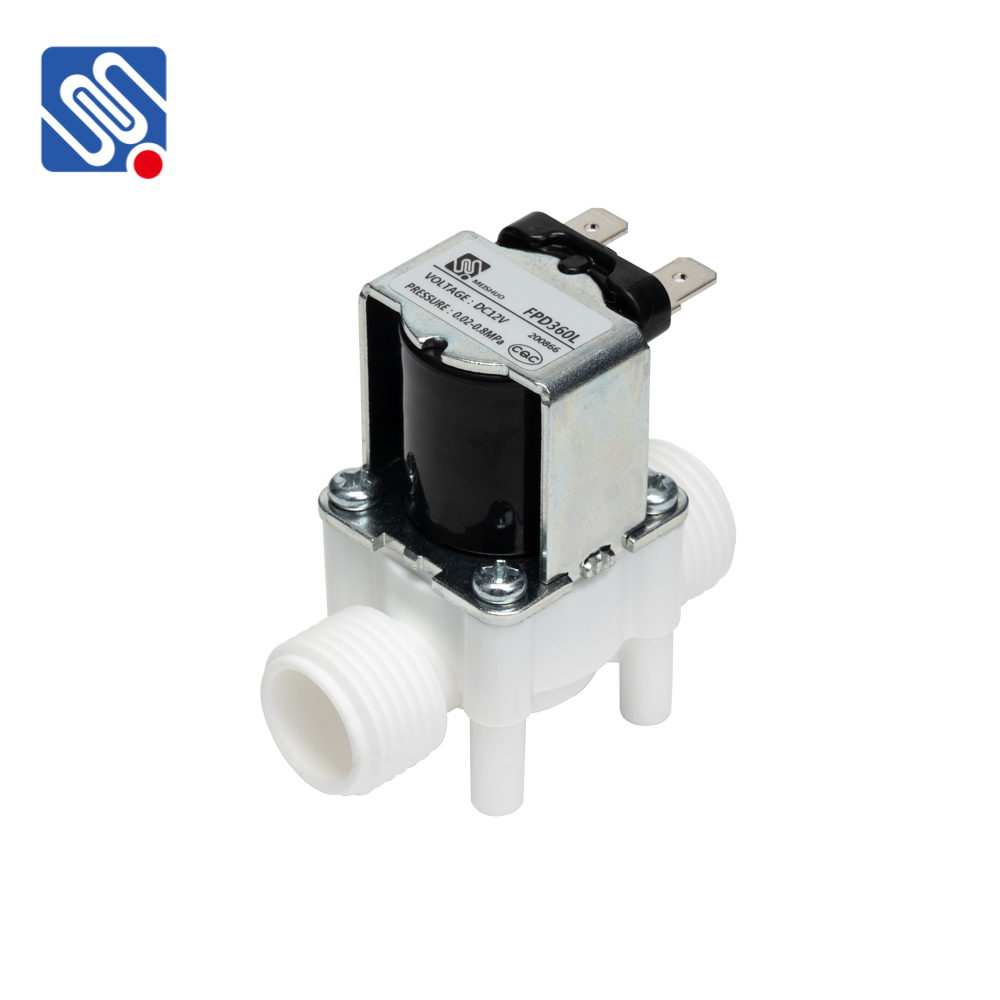
What is an AC Solenoid Valve? At its core, an AC solenoid valve is an electromechanical device that uses an electric current to control the operation of a valve. The valve consists of a solenoid coil, a plunger, and a valve body, which, when energized, either opens or closes a passage for the fluid. This simple yet effective mechanism allows for precise control over the flow of different media, such as water, air, oil, or steam. AC solenoid valves are specifically designed to operate on alternating current (AC) power, which differentiates them from their DC counterparts that rely on direct current (DC). The AC power supply is what drives the solenoid to create a magnetic field, causing the valve to either open or close, depending on the configuration.