Title: Understanding the Normally Closed Solenoid Valve — Function, Structure, and Applications
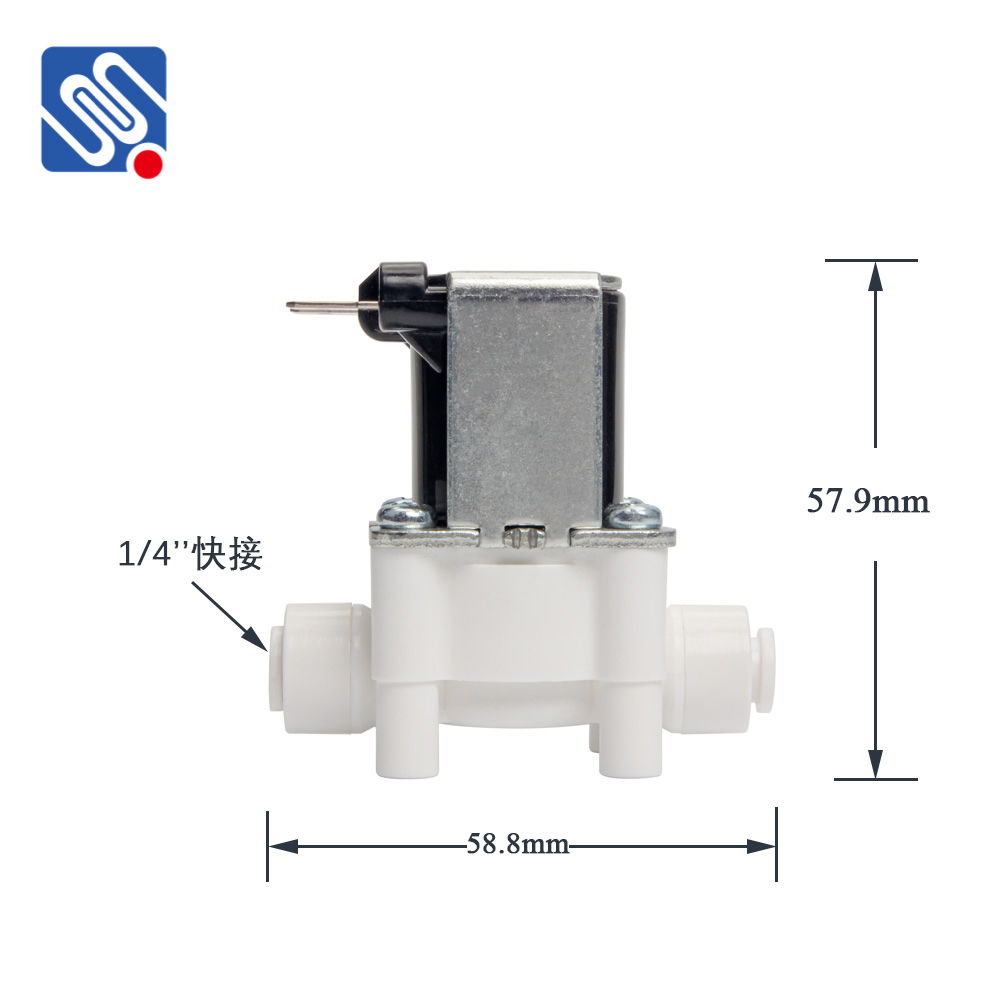
The Normally Closed Solenoid Valve is one of the most widely used devices in fluid control systems. It plays a crucial role in automatically regulating the flow of liquids or gases in various industrial and domestic applications. As technology advances, solenoid valves have become increasingly important due to their reliability, efficiency, and precision. In this article, we will explore what a Normally Closed Solenoid Valve is, how it works, its key components, and where it is most commonly used. A Normally Closed (NC) solenoid valve is a type of valve that remains closed when it is not energized. In simple terms, “normally closed” means that when no electric current passes through the solenoid coil, the valve stays shut, preventing the flow of fluid. When electrical power is applied, the electromagnetic coil generates a magnetic field that lifts a plunger or piston inside the valve, allowing the fluid to pass through. Once the power is turned off, the magnetic field disappears, and a return spring pushes the plunger back into its closed position, stopping the flow again.